
 channel247 online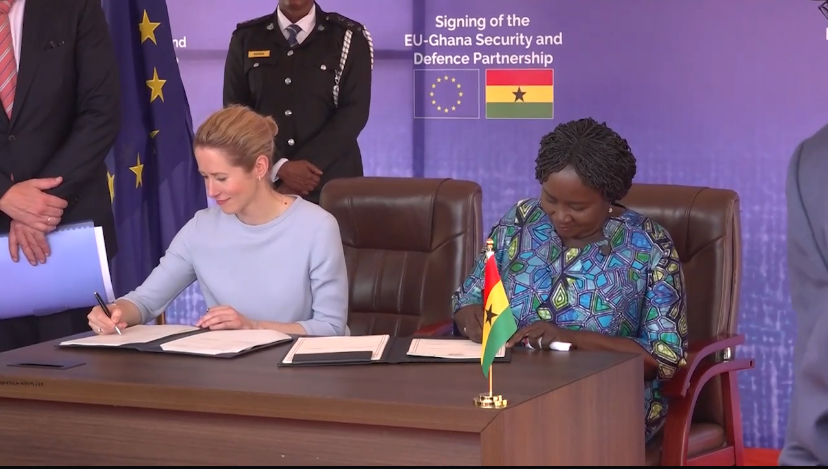
Ghana has become the first African country to sign a Security and Defence Partnership with the European Union, marking a major step in efforts to strengthen regional stability and combat emerging security threats.
The agreement was signed by Vice President Prof. Jane Naana Opoku-Agyemang alongside representatives of the European Union, as part of a broader collaboration aimed at enhancing Ghana’s security capacity and operational readiness.
Speaking at the signing ceremony, the Vice President stressed that security remains the foundation for economic development, warning that rising instability in West Africa poses a serious risk to growth and livelihoods.
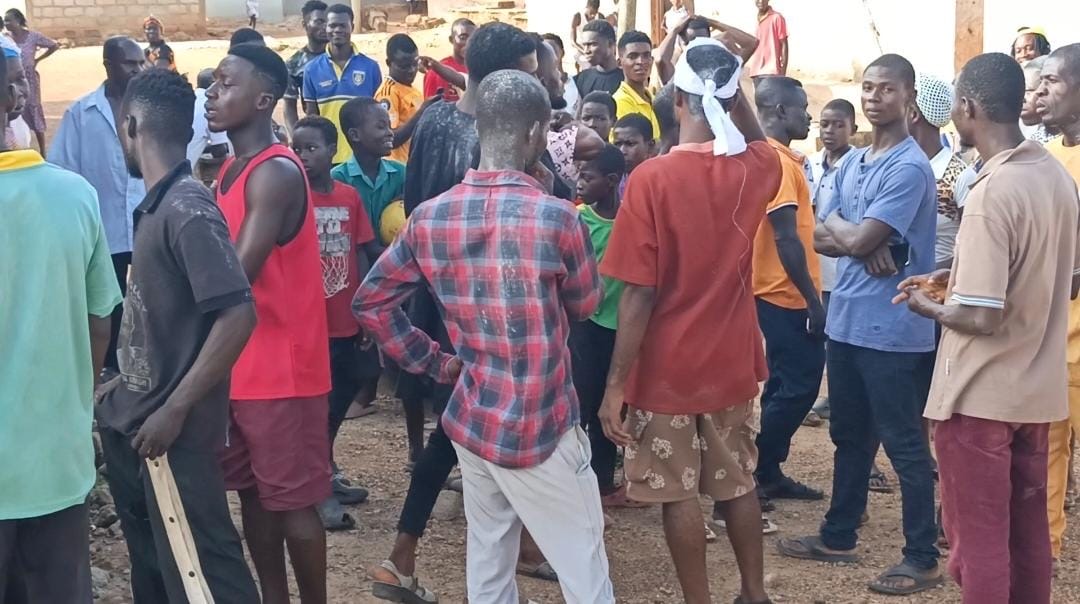
She referenced the recent killing of eight Ghanaian traders in Burkina Faso as a stark reminder of the dangers posed by insecurity in the sub-region, emphasizing the urgent need for stronger cooperation among nations.
Prof. Opoku-Agyemang noted that the partnership reflects deepening ties between Ghana and the European Union in addressing complex and evolving threats, particularly across the Sahel and the Gulf of Guinea.
She disclosed that the EU has supported Ghana through more than 30 security-related projects covering counterterrorism, border management, maritime security and cybersecurity. In addition, about 40 training sessions have been conducted for Ghana’s military and civilian security personnel under the EU Security and Defence Initiative.
As part of the agreement, the European Union handed over critical security equipment, including drones, motorcycles and communication systems, to support Ghana’s security agencies. The Vice President said the equipment would significantly enhance intelligence gathering, crisis response and overall operational coordination.
She also acknowledged earlier support from the EU, including the provision of armoured vehicles in 2023 and advanced communication tools in 2025, which have strengthened the mobility and effectiveness of Ghana’s armed forces.
The new partnership provides a structured framework for continued collaboration in areas such as capacity building, crisis management and regional security coordination.
Government officials say the agreement is expected to bolster Ghana’s role in promoting peace and stability in West Africa while improving its ability to respond to emerging threats.
 Yaw Boagyan