
 Emmanuel Mensah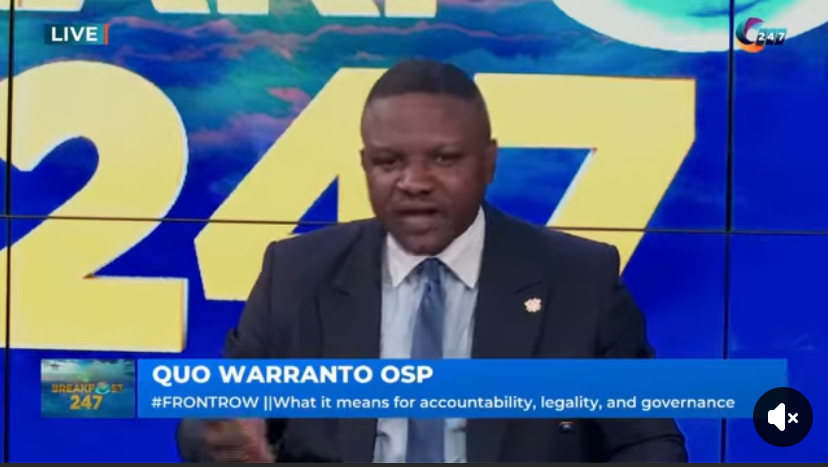
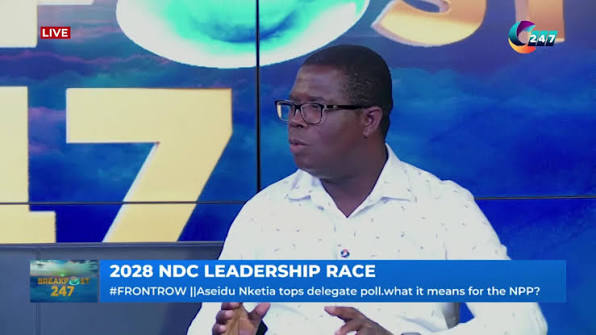
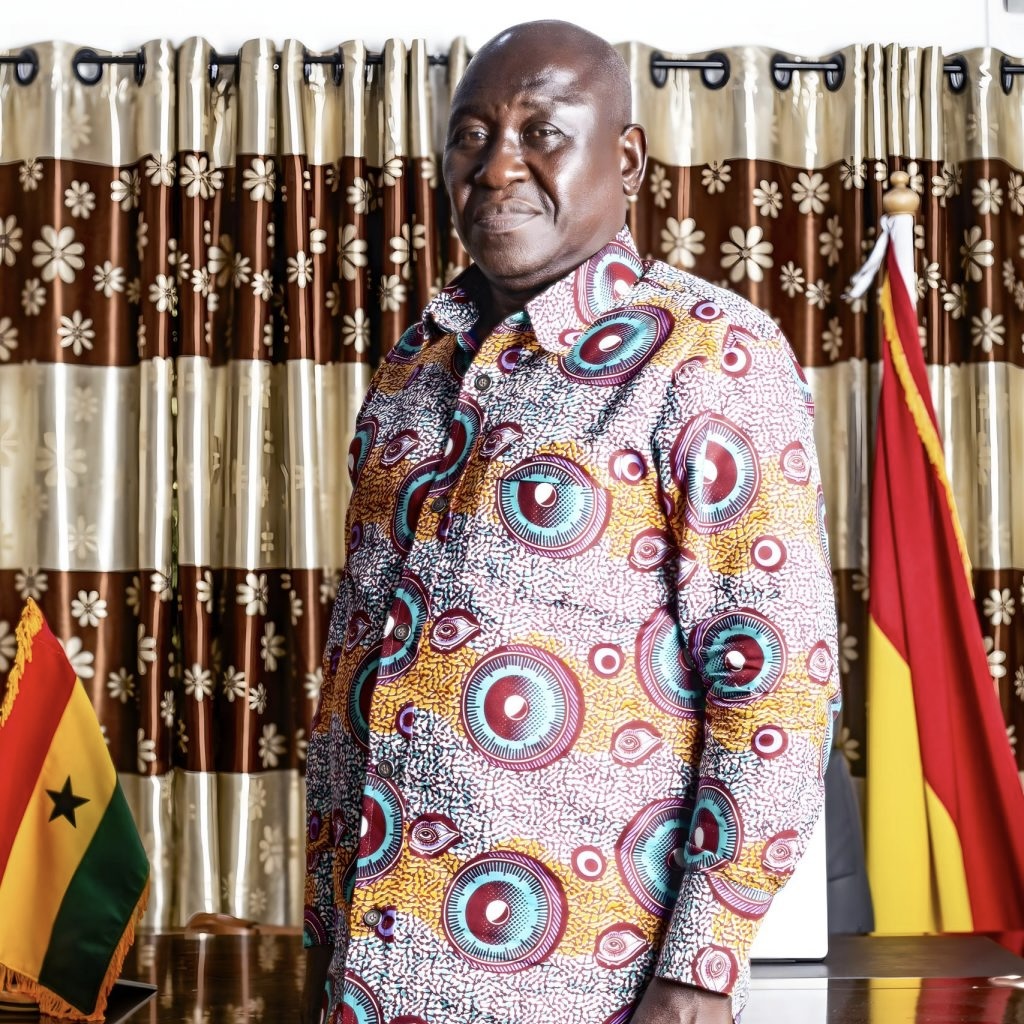
A member of the Atchulo Abdul Barki, has defended the establishment of the Office of the Special Prosecutor (OSP), stating that former President Nana Addo Dankwa Akufo-Addo and former Vice President Mahamudu Bawumia created the institution to strengthen the fight against corruption through independent prosecution.
Speaking on Channel 247, Barki said the OSP was deliberately set up to operate outside the direct control of the executive, particularly to address perceived limitations in the role of the Attorney-General.
According to him, the Attorney-General, being a political appointee, may face constraints in prosecuting individuals connected to the government of the day, making an independent body like the OSP necessary.
“The purpose was to ensure we have an independent institution that can deal with corruption, especially in situations where the Attorney-General may be unable to act due to political considerations,” he explained.
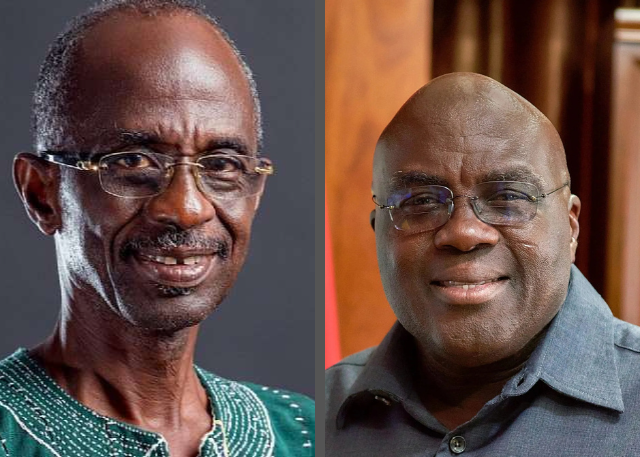
The Office of the Special Prosecutor was established in 2017 as part of the Akufo-Addo administration’s anti-corruption reforms. Its first head, Martin Amidu, described the office as a critical tool in tackling corruption, although his tenure was marked by tensions with the government.
Barki noted that despite early criticisms, including remarks by Amidu referring to Akufo-Addo as the “mother serpent of corruption,” many stakeholders initially praised the OSP as an independent and effective anti-corruption body.
He further referenced the tenure of the current Special Prosecutor, Kissi Agyebeng, pointing out that the office has handled several high-profile investigations, including matters related to the Airbus scandal.
Barki argued that public and political support for the OSP has often shifted depending on who is being investigated, suggesting that the institution is now facing criticism from some quarters because of its recent actions.
He also expressed concern over what he described as attempts to weaken the office, particularly regarding its prosecutorial powers, warning that such moves could undermine its effectiveness.
“The moment you begin to take away the powers of the OSP, you risk rendering the office ineffective in the fight against corruption,” he said.
The debate over the role, powers and independence of the OSP continues to generate discussion in Ghana’s governance space, with stakeholders divided on how best to strengthen the country’s anti-corruption framework.