
 channel247 online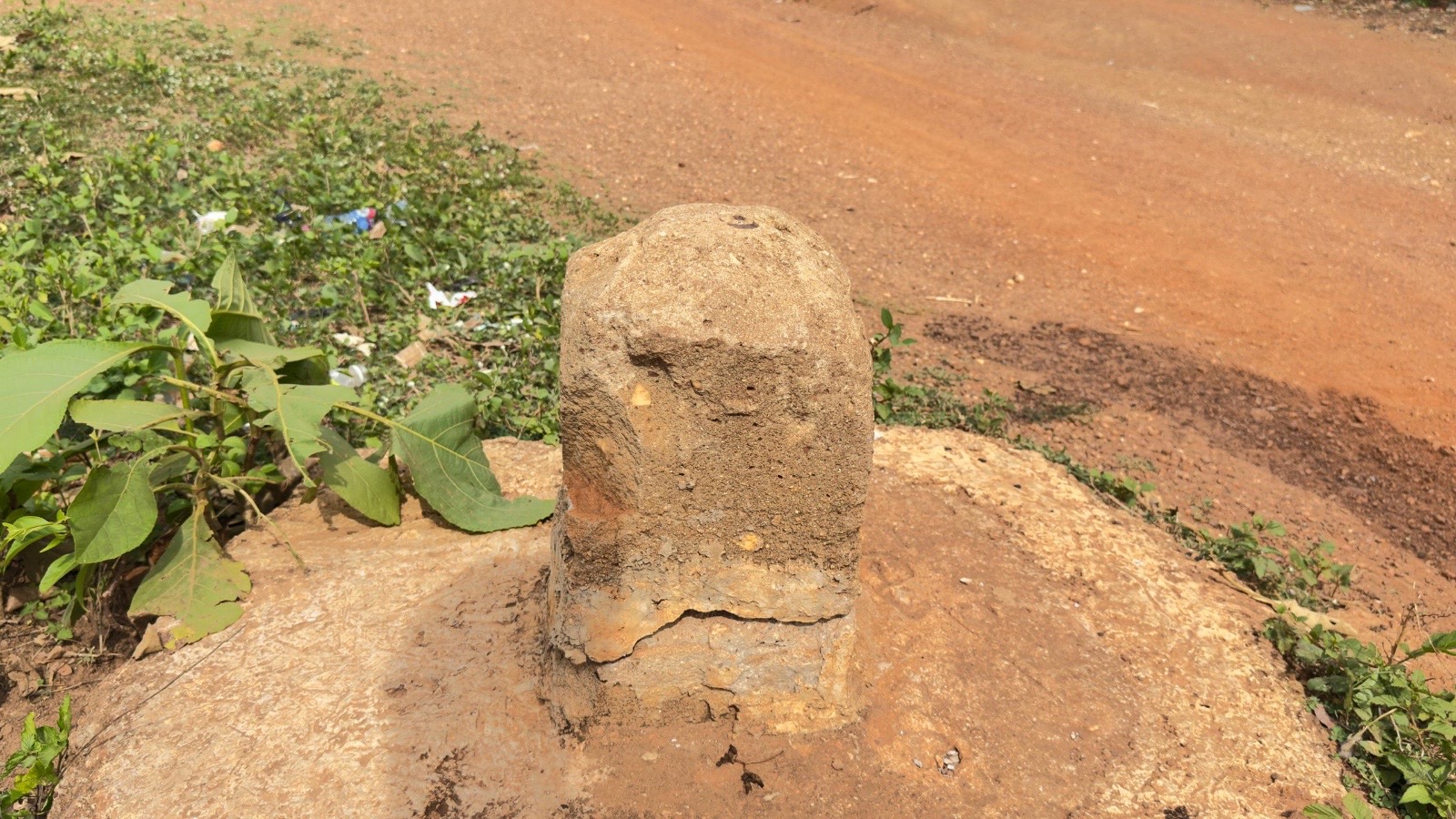
The Ghana Boundary Commission has confirmed reports of damaged and deteriorating boundary pillars along Ghana’s western frontier in the Bono Region, following a week-long field inspection exercise.
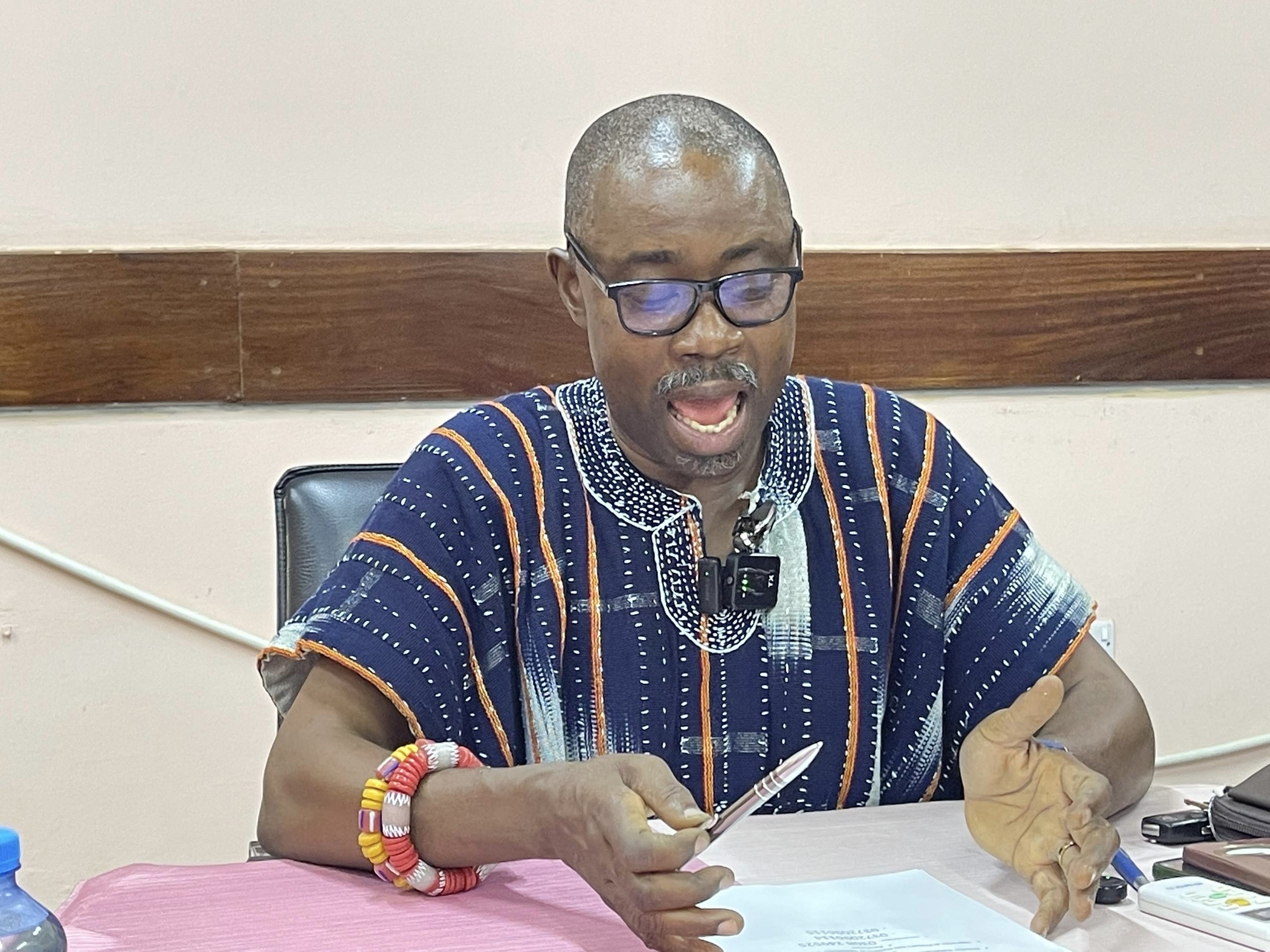
The exercise, led by the Commissioner-General, Major General Anthony Ntem, covered several border communities within the Dormaa Central and Jaman South Municipalities. The team conducted detailed assessments to verify earlier reports submitted by officers of the Customs Division of the Ghana Revenue Authority and the Ghana Immigration Service.
Findings from the inspection revealed that while a number of the international boundary markers remain intact, several pillars have been displaced, defaced, or broken. Officials attributed the damage to a combination of human activities and environmental factors, raising concerns about the potential impact on boundary demarcation and security.
The development comes at a time when Ghana and Côte d’Ivoire are undertaking a joint reaffirmation exercise aimed at replacing boundary pillars along their shared land border. However, the Commission noted that the ongoing exercise has not yet extended to the affected municipalities in the Bono Region. Authorities expect that reconstruction efforts in these areas will be addressed during Phase Three of the initiative.
Beyond the state of the boundary infrastructure, the Commission’s assessment also highlighted significant development challenges facing border communities. Many of the settlements lack basic social amenities, underscoring the difficult living conditions of residents in these remote areas.
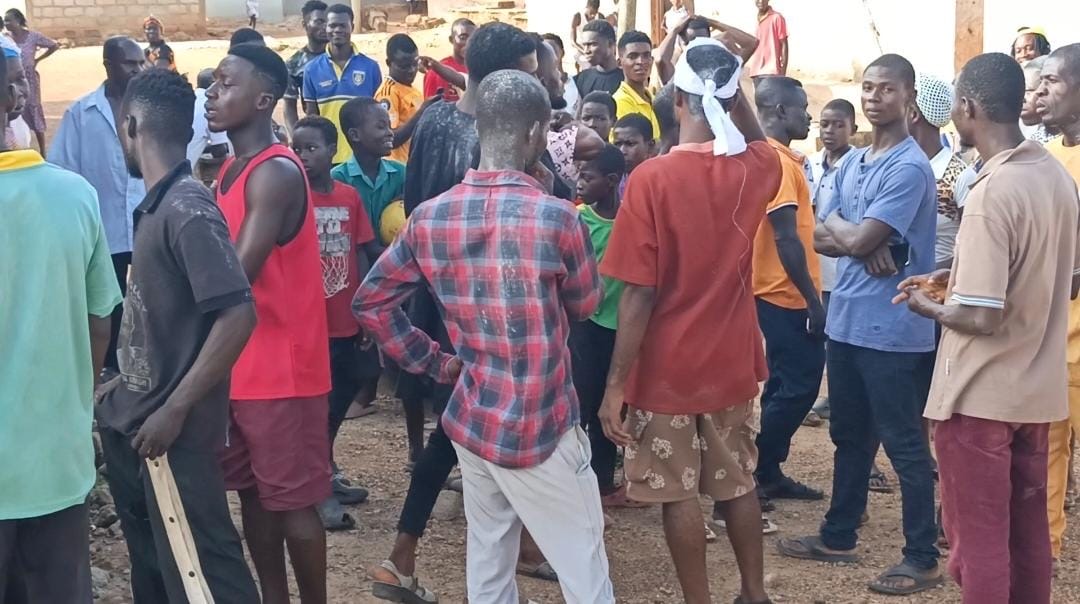
During the exercise, the team engaged with key stakeholders, including the Bono Regional Minister, Municipal Chief Executives, members of Municipal Security Councils, traditional leaders, and residents. These interactions revealed a shared concern over both the condition of boundary infrastructure and the slow pace of development in the affected communities.
Communities such as Gonokrom, Kofi Badukrom, Kwamesiekrom, Drobo, Batia, Atuna, and Kwameprakrom expressed a strong desire for improved infrastructure and social services, as they continue to live along the country’s territorial frontlines.
The Ghana Boundary Commission says the findings highlight the urgent need for sustained maintenance of boundary markers, alongside targeted development interventions to improve livelihoods and strengthen security in border areas.