
 channel247 online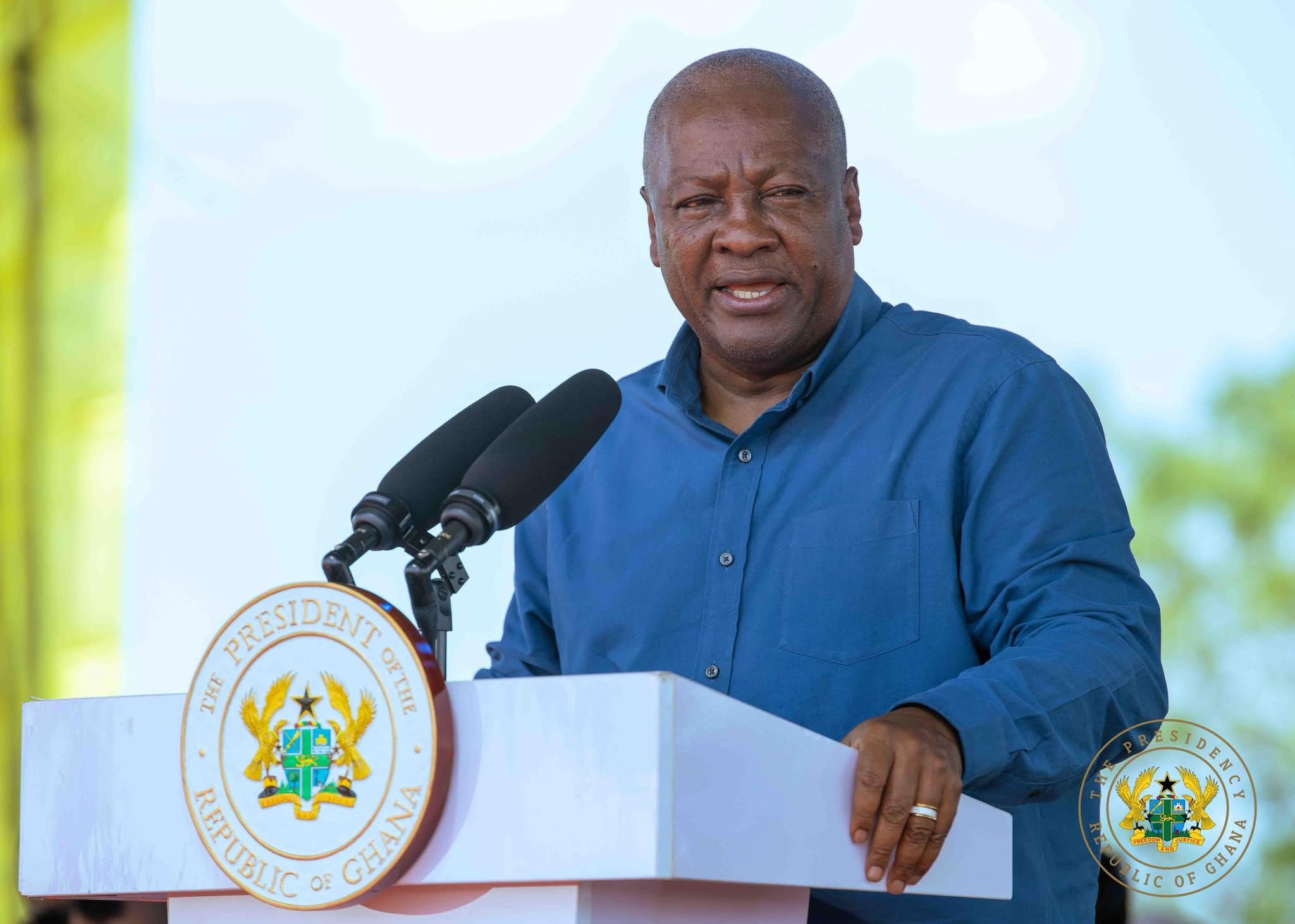
President John Dramani Mahama has thrown his support behind calls for reparations for victims of the transatlantic slave trade, describing it as essential to global healing and justice.
Speaking at a United Nations high-level special event on reparatory justice in New York on March 24, 2026, Mahama said acknowledging the historical injustices of slavery must go beyond rhetoric and translate into concrete action.
He argued that reparatory justice offers an opportunity for the international community to confront the lasting impact of slavery on Africa and its diaspora, while helping to restore dignity to millions of people whose ancestors were forcibly enslaved.
“This resolution is a pathway to healing and reparative justice,” he told delegates, urging member states to support a proposal to formally recognise the trafficking and enslavement of Africans as one of the gravest crimes against humanity.
Mahama recounted the scale and brutality of the transatlantic slave trade, noting that millions of Africans were uprooted from their communities and subjected to inhumane conditions. He highlighted the economic systems built on their forced labour, stressing that the consequences of those centuries-old injustices are still evident today.
The former president also cautioned against attempts to downplay or distort the history of slavery, warning that such actions risk erasing the suffering endured by enslaved Africans and weakening the global push for accountability.
He emphasised that reparations are not solely about financial compensation, but also about recognition, truth-telling and systemic change.
Mahama said the proposed UN resolution would serve as a safeguard against historical amnesia, ensuring that future generations understand the full extent of the atrocities committed.
Addressing world leaders, he called for unity in confronting the past and building a more just future, adding that the pursuit of reparatory justice is a shared responsibility.
He concluded by urging the global community to support the resolution and take meaningful steps toward healing the enduring wounds of slavery.
 Yaw Boagyan