
 channel247 online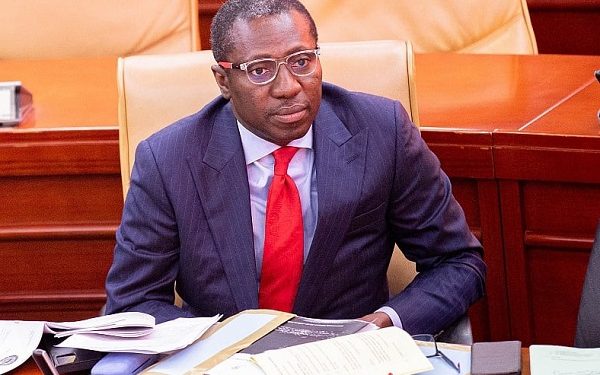
The Minority Caucus in Parliament has blamed Foreign Affairs Minister Samuel Okudzeto Ablakwa for the United States’ decision to place an indefinite pause on immigrant visa processing for Ghanaians, describing the move as the result of reckless and unprofessional diplomacy.
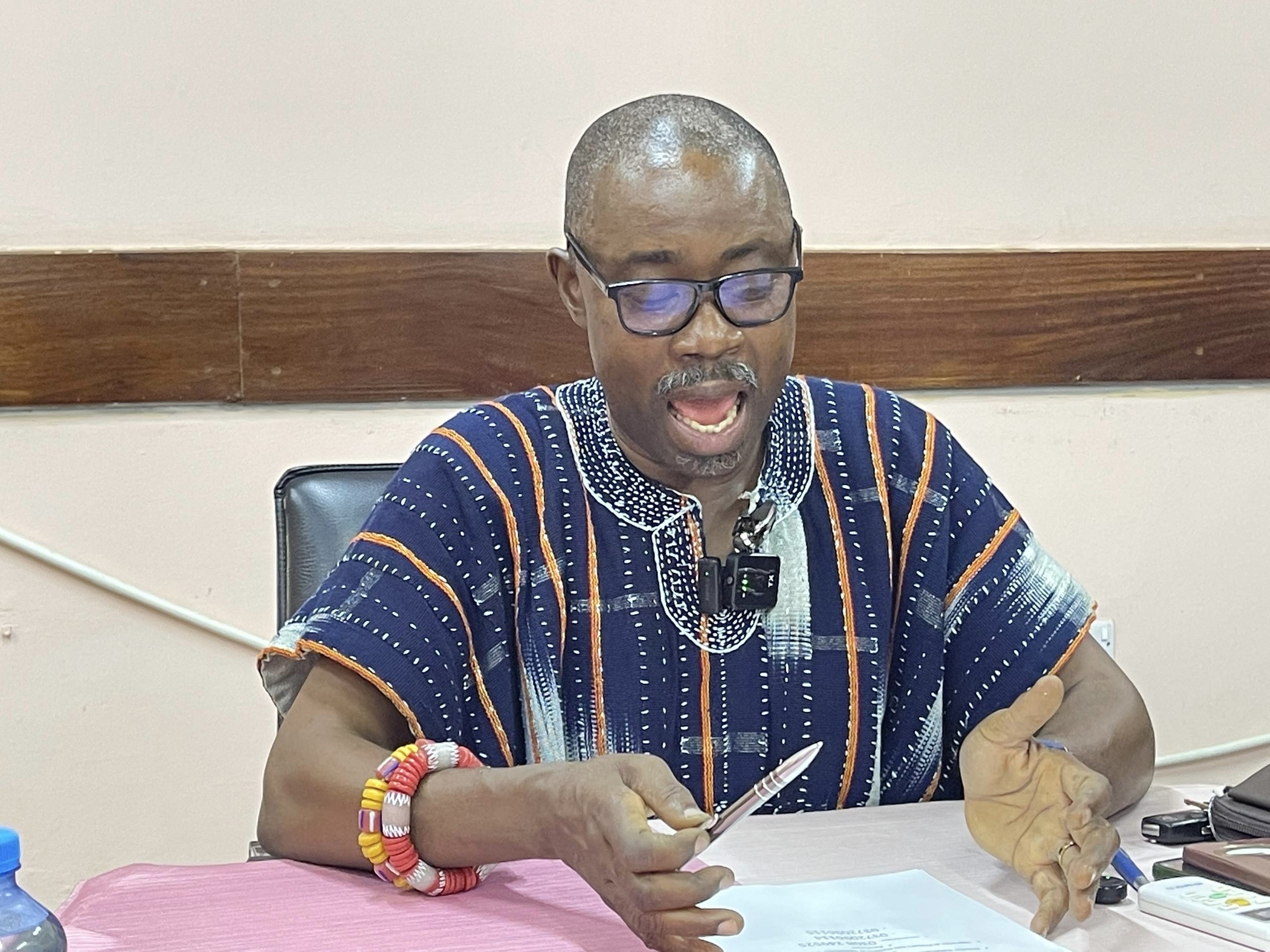
Addressing an emergency press conference in Accra on Tuesday, the Minority said Ghana’s inclusion on a list of 75 affected countries represents a serious diplomatic setback that threatens the country’s international standing and the welfare of thousands of citizens seeking lawful migration opportunities.
According to the Minority, the visa freeze will have severe human and economic consequences, including prolonged family separations and the disruption of plans by healthcare workers, engineers, teachers and other professionals who have complied with all legal requirements to relocate to the United States.
They further warned that the decision could negatively affect Ghana’s economy, particularly remittance inflows from the diaspora. The caucus noted that remittances from the United States alone contribute between $1.5 billion and $2.5 billion annually to Ghana, supporting households, businesses and national development.
The Minority accused the Foreign Minister of abandoning quiet, professional diplomacy in favour of what they termed “megaphone diplomacy,” arguing that public confrontations and poorly managed bilateral disputes had strained relations with key international partners, including the United States and Israel.
They also criticised the handling of recent deportation-related incidents involving Israel, as well as Ghana’s broader engagement with Western allies, claiming these actions had portrayed the country as unpredictable and unreliable in sensitive diplomatic matters.
As part of their demands, the Minority called for a full public briefing by the Ministry of Foreign Affairs on the reasons behind Ghana’s inclusion on the visa freeze list and the steps being taken to reverse the decision. They also urged President John Mahama to remove Mr. Ablakwa from office, insisting that the national interest required a change in leadership at the ministry.
The caucus further appealed to civil society organisations, professional bodies and Ghanaian diaspora groups to join calls for accountability, stressing that foreign policy decisions must prioritise the long-term welfare of citizens over political posturing.