
 channel247online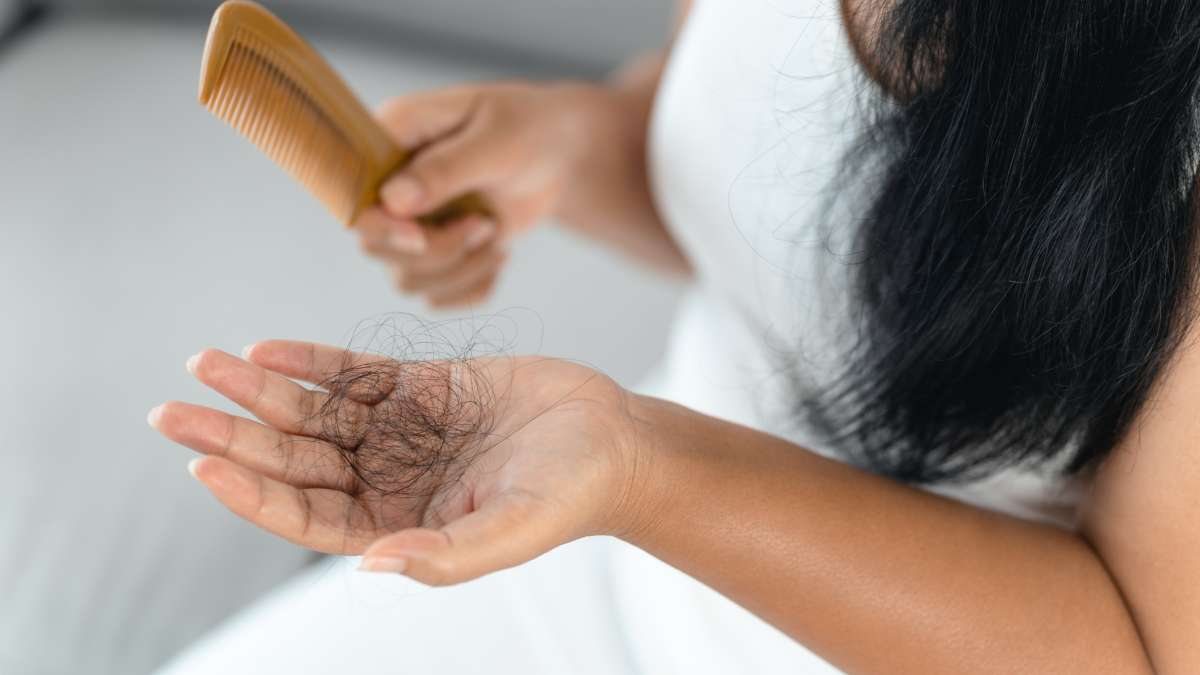
Losing your hair is a menopause symptom that can stress you out. We’ll explain what can help.
If you’re going through menopause, you’ve likely experienced symptoms such as hot flashes and mood swings. But unfortunately the symptoms don’t always end there. Menopause can also bring about unexpected changes such as hair loss and thinning hair.
For instance, you may notice your scalp is more exposed than usual or that your hair feels much more sparse than it used to be. But while menopausal hair changes are stressful, some treatments can help you manage this aspect of menopause.
We’ll explain what causes you to lose hair during menopause, as well as signs to look for and treatments available to help you. For more, check out this list of the best hair growth products for women, according to dermatologists and trichologists.
What causes women to lose hair during menopause?
Hair loss during menopause generally happens due to a gradual shift in hormones, including estrogen, testosterone and progesterone, Dr. Shilpi Khetarpal, a dermatologist at Cleveland Clinic Ohio tells Yahoo. Since estrogen plays an important role in promoting hair growth and thickness, when those levels decrease, the hair follicles become thinner over time, which can lead to hair loss.
Genetics also play a role in menopause, Khetarpal says. Androgenetic alopecia, more commonly known as male pattern baldness or female pattern hair loss (depending on whether it’s taking place in men or women, respectively), is caused by hormones and genetics and can be a reason women lose hair during menopause. This can be triggered when estrogen levels drop, thinning out the hair follicles, and may be more common in some women than others, based on genetic factors.
What does menopausal hair loss look like?
When women experience hair loss during menopause, they generally report seeing more of their scalp showing because there’s less coverage from their hair, Khetarpal says. Women don’t report any changes in hair shedding, she adds, but instead a more gradual increase in hair loss.
“Women also tend to preserve the frontal hairline and see their part width getting wider,” Khetarpal said. The hair on the back of the scalp isn’t susceptible to genetics, so women’s hair during menopause will generally be thicker in the back and thinner on top of the head.
She also notes that because oil glands are under the control of testosterone, hair might become drier, more brittle and frizzy when testosterone levels decline.
How to reduce hair loss during menopause
Khetarpal says the first step is to take care of any nutritional or vitamin deficiencies to help control hair loss during menopause. She recommends taking a multivitamin daily, and, if you don’t eat red meat two to three times a week, an iron supplement.
There are also over-the-counter minoxidil topicals you can apply to your scalp each day that are FDA-approved. These topicals can help the hair shed slower while progressing hair growth.
Oral minoxidil is also an option, but you’ll need to get your doctor to prescribe it for you. This can affect the hair follicle to promote hair growth and stop hair loss, Khetarpal said.
What’s the best shampoo for menopausal hair loss?
If you’re looking for products to help slow your hair loss, Khetarpal recommends getting an over-the-counter shampoo with ingredients that help with hair growth. Look for shampoos containing zinc pyrithione and ketoconazole to help jump-start the process until you can get an appointment to see your doctor.
Which vitamins help with hair loss during menopause?
If you’re vitamin deficient in a few key areas, you may be more inclined to notice hair thinning or hair loss. To help give your hair the vitamins it needs to stay its strongest, Khetarpal suggests taking a multivitamin or similar supplement to prevent or correct any deficiencies in the following areas:
- Zinc
- Ferritin
- Biotin, though there’s limited data
- Vitamin D
- Iron
source: yahoo.com