
 channel247 online
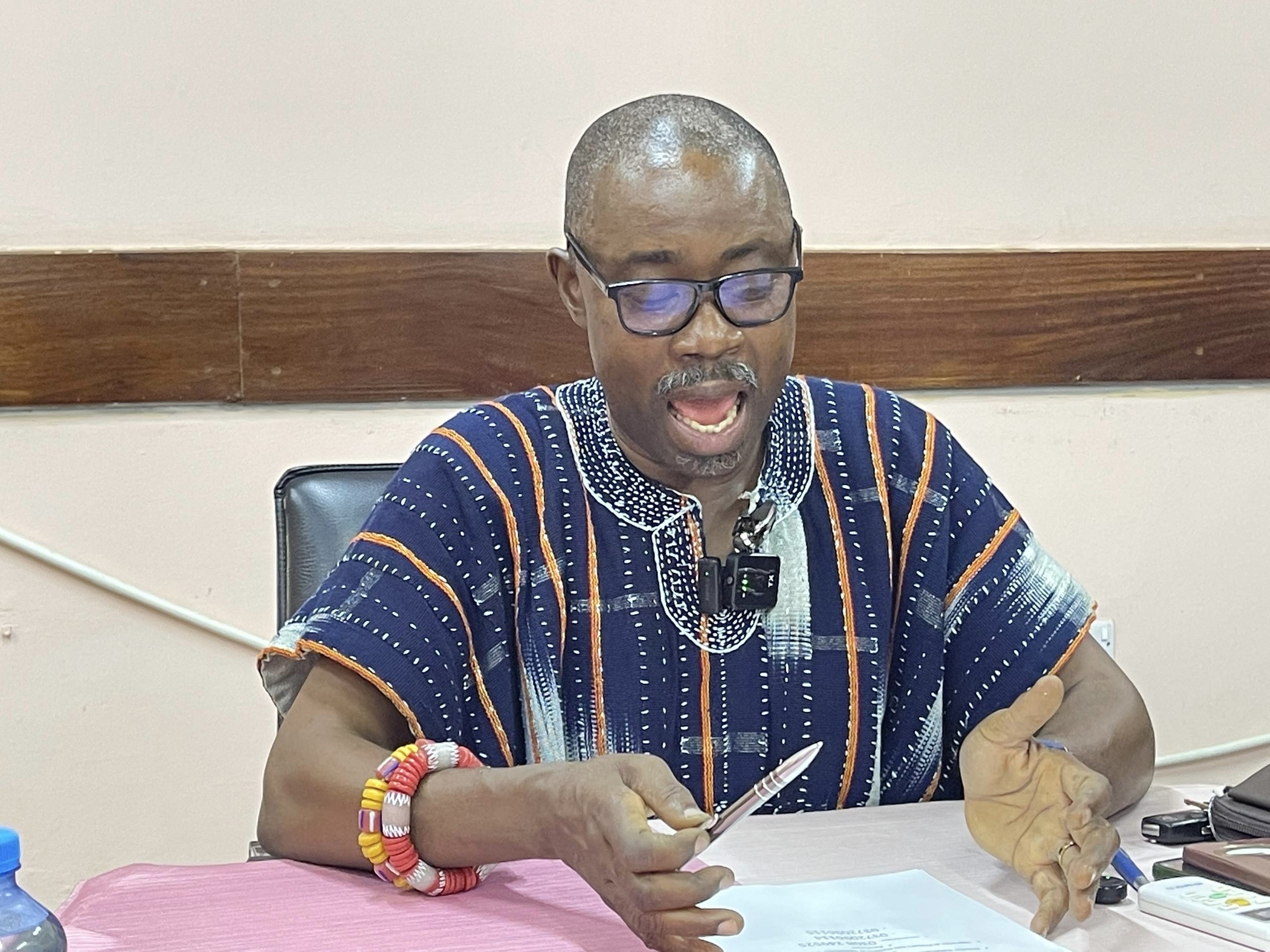
President of the Ghana Youth Federation, Sherif Ghale, says existing youth programmes in Ghana have recorded some positive results but remain too limited in scale to make a meaningful nationwide impact.
Speaking on Channel 247’s Newzroom live with host Awuraabena Boateng, Mr Ghale acknowledged that successive governments have introduced several initiatives aimed at youth employment, skills training and entrepreneurship.
He cited programmes such as the Youth Employment Agency, the National Apprenticeship Programme, One Million Coders and various entrepreneurship support schemes as evidence that policy thinking around youth development has improved over the years.
According to him, the challenge is not the absence of programmes, but the inability to expand them beyond pilot phases to reach young people across all regions, particularly in underserved and rural communities.
Mr Ghale noted that while some initiatives have trained thousands of young people, the numbers fall far short of national needs, especially considering that about 73 per cent of Ghana’s population is youthful.
“For instance, programmes are launched with high expectations, but after supporting a few thousand beneficiaries, funding reduces and the initiative stalls,” he said, adding that awareness of these programmes continues to grow even as capacity shrinks.
He attributed the scaling challenge largely to inconsistent funding, explaining that budget allocations announced for youth programmes are often reduced or not fully released to implementing agencies.
Mr Ghale also pointed to weak coordination among youth institutions, arguing that overlapping mandates and fragmented implementation prevent programmes from achieving maximum reach and sustainability.
He called for deliberate investment in scaling successful initiatives, stressing that the second and third years of any youth programme should focus on expansion rather than repeated introductions of new policies.
Mr Ghale warned that unless youth programmes are expanded to meet national demand, unemployment and economic exclusion among young people will persist, undermining Ghana’s long-term development goals.