
 channel247 online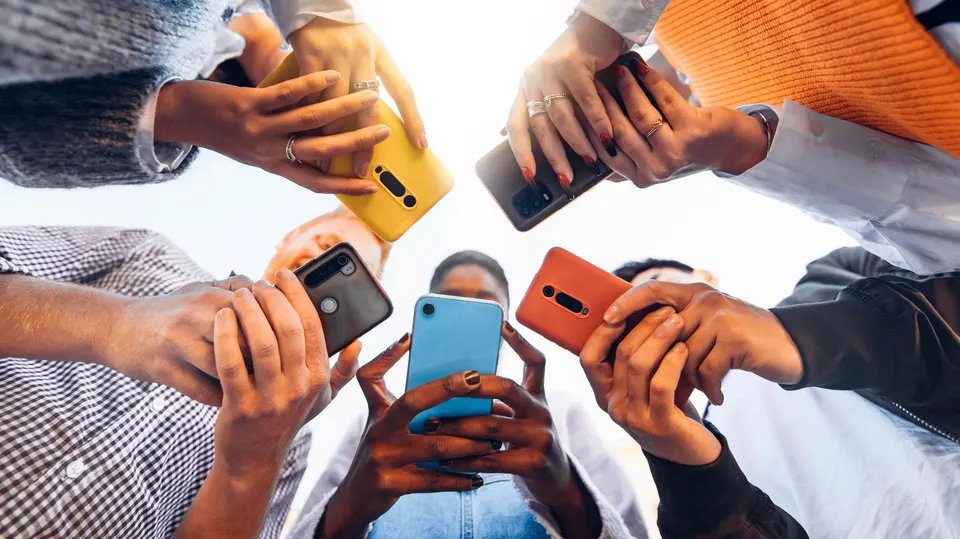
Language has evolved for centuries due to factors such as, migration, socialization among others. The evolution of language came with various slangs that sets ethnic groups, organizations, age groups and religious groups apart. A recent skit on social media depicted how the phrase, ”what is your name?” has evolved over time in a very hilarious way.
One generation that has been accused of changing everything including language is the ”Gen Z”. This group through their own ingenuity made changes to, dress codes, socialization styles and now creating chaos in the English Language we have all spoken for years.
Gen z’s have come up with a language which is a vibrant, ever-evolving mosaic that’s left many scratching their heads. From “simp” to “cap,”. Gen Z slang is a unique dialect that’s shaped by social media, pop culture, and the internet.
Generation Z popularly known as “Gen Z’”, is an interesting generation born between the late 1990s and 2010, have grown up with the internet and social media as an integral part of their daily lives. As a result, their language has evolved to incorporate unique characteristics that reflect their presence.
Gen Z’s language is full of words and phrases that have taken on new meanings, often diverging from their literal definitions. Words such as “no cap, Cheugy, slay, salty, yikes, rizz, tea, lit, bestie, bruh ,cook ,fire, ghost, ick, mid, period ,sheesh ,snatched, and many more mean differently from their literal meanings but interestingly, majority of gen z’s understand the words and slangs of their generation.
The language of this generation sounds foreign and almost gibberish to the older generation but not to them. They are a really fascinating generation with lots of questions to answer .Questions like who comes up with the slangs ? How do they come up with it ?How are majority of gen z’s able to understand them?
It appears that they all agree on the words and the meanings they want to give to these words . One of the most intriguing aspects of Gen Z language is its ability to unite a generation across geographical and cultural boundaries. Despite their diverse backgrounds, Gen Zs seem to share a collective understanding of slang terms and their meanings. This phenomenon raises questions about the role of community and social influence in shaping language.
From “no cap” to “tea,” Gen Z slang is a complex and ever-evolving lexicon. Some popular terms include:
– Slay: to excel or dominate at something
– Salty: being bitter or resentful
– Lit: exciting or fun
– Ghost: to suddenly stop responding to someone’s messages or interactions
– Rizz: charm or charisma, especially in romantic situations
Conversational Examples:
– “What’s good? I’m lowkey excited for the weekend, no cap!”
– “That movie was lit! I’m still reeling from the plot twist.”
– “I’m ghosting him because he’s being salty about the game.”
– “You’re slaying this quiz, bestie! Keep it up!”
The language of Gen Z’s is more than just a collection of words and phrases ,it’s a reflection of their values and attitudes. By studying Gen Z language, we can gain insights into their worldview, their relationships, and their cultural norms. As we continue to navigate the complexities of the Gen Z language , whether you’re a Gen Z or simply interested in understanding this fascinating generation, one thing is clear ,the language of Gen Z is here to stay, and it’s worth paying attention to.
Source:channel247online.com/Nasira Natomah

 Yaw Boagyan
 Rafiq Adam