
 channel247 online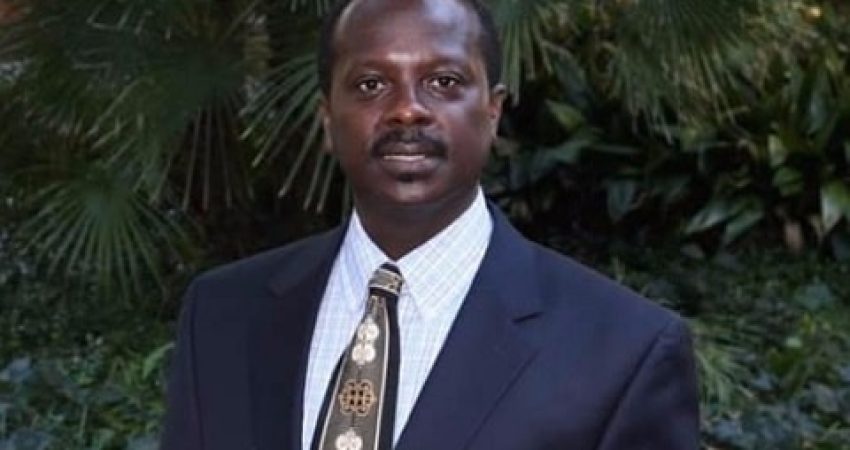
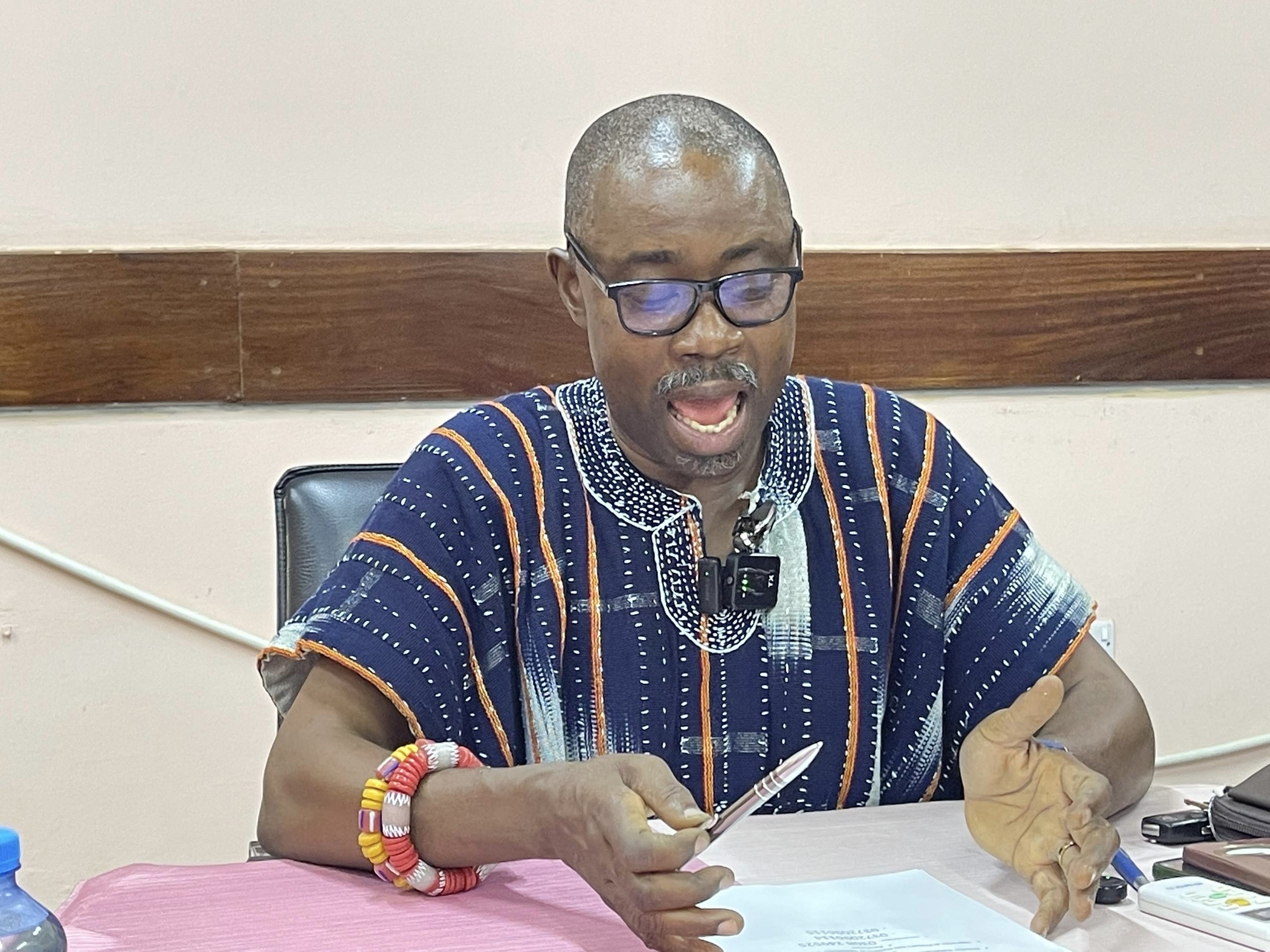
Professor of law and constitutional governance, Kwaku Asare, has argued that renewed calls to rename the Kotoka International Airport (KIA) amount to an avoidance of history rather than a genuine effort to confront Ghana’s past.
In a Facebook post on Tuesday, February 3, 2026, Professor Asare said a nation at peace with itself does not spend its energy endlessly renaming landmarks but instead focuses on understanding them within their full historical context.
According to him, the current push to rename the airport has little to do with aviation, transport, or national branding, and more to do with how Ghanaians choose to engage with their history. He warned against reducing complex historical realities to slogans, moral shortcuts, and selective outrage.
Professor Asare challenged the common argument that Lieutenant General Emmanuel Kwasi Kotoka’s alleged role in the 1966 coup automatically disqualifies him from public remembrance. He described such reasoning as emotionally appealing but historically shallow, noting that Ghana’s own 1992 Constitution was promulgated under a military regime yet remains the foundation of the country’s democratic order.
He further pointed to the case of Dr Kwame Nkrumah, under whose leadership Ghana became a one-party state in 1964 through a controversial referendum. Despite this, he said, no serious calls exist to remove Nkrumah’s name from public institutions, because he is recognised as a foundational figure in Ghana’s history, despite his flaws.
Touching on colonial-era place names across Accra, Professor Asare noted that names such as James Town, Ussher Fort, and Cantonments have not erased Ghana’s sovereignty or dignity. Rather, they serve as historical markers that encourage education and reflection about the past.
He stressed that names are not endorsements but anchors of memory, arguing that Kotoka International Airport silently reminds Ghanaians of a turbulent chapter in the nation’s journey, including military interventions and the long road to constitutional democracy.
Professor Asare also cautioned against the practical and financial costs of renaming an internationally recognised facility, questioning what real national problem such a move would solve. He asked whether renaming would improve education, deepen reconciliation, or strengthen democracy, or merely create the illusion of moral action.
He concluded that mature democracies do not mistake symbolism for reckoning, urging Ghana to prioritise education, contextualisation, and open public debate over what he described as cosmetic erasure of history.