
 channel247 online
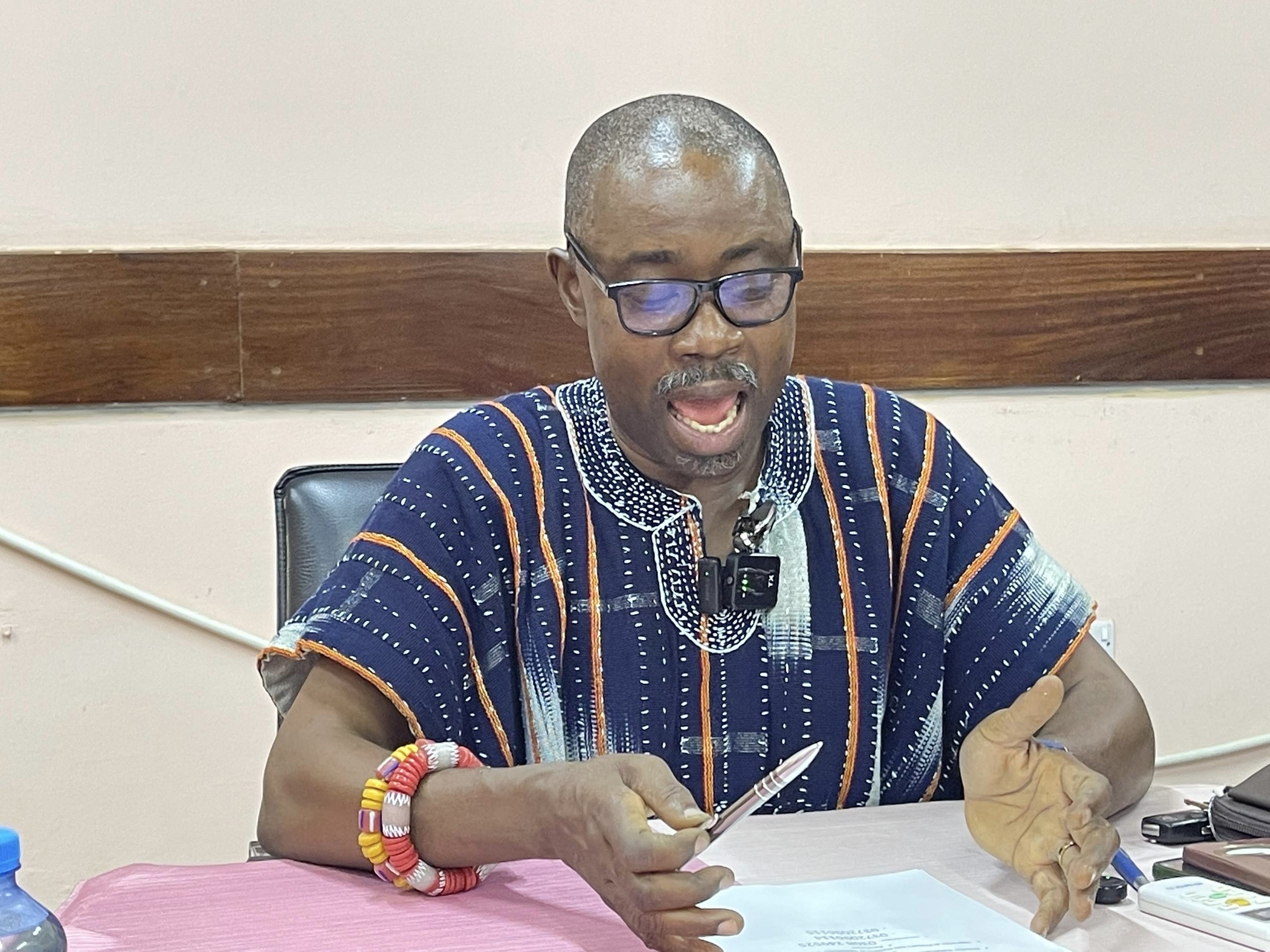
A senior lecturer at the Economics Education Department of the University of Education, Winneba, Dr. Alhassan Atta Kweison, has described the inauguration of the Presidential Advisory Group on the Economy (PAGE) as long overdue, arguing that its delayed establishment may have cost Ghana significant revenue, particularly from the mining sector.
Speaking in an interview with Channel 247, Dr. Atta Kweison noted that the government has been in office for more than a year, a period he believes was sufficient to set up PAGE earlier to provide strategic economic guidance.
According to him, an earlier operationalisation of PAGE could have supported the government to mobilise additional revenue through innovative policies such as the Gold for Oil programme and improved management of Ghana’s gold reserves, especially at a time when global gold prices are at historic highs.
“If you look at what is happening in the mining industry, PAGE coming on stream earlier would have allowed the country to obtain more revenues from the sector than we are currently getting,” he said.
Dr. Atta Kweison criticised Ghana’s existing fiscal regime in the mining sector, describing it as unfavourable to the country despite its status as Africa’s leading gold producer. He pointed out that with gold prices hovering around $4,500 per ounce, the state is only earning about five per cent in royalties, alongside what he described as relatively low profit taxes.
Citing figures from the Ghana Chamber of Mines, he explained that the all-in sustaining cost of producing an ounce of gold is below $2,000. “If you are producing at less than $2,000 and selling above $4,000, then you are making about $2,000 per ounce in profit. If the government is not getting even a quarter of that, then something is seriously wrong in the sector,” he stressed.
He further expressed concern over proposals to cap mining royalties at a maximum of 12 per cent, warning that such a fixed ceiling could shortchange the country if gold prices rise further in the future.
“Imagine gold prices hitting $8,000 or even $10,000 and Ghana is still collecting just 12 per cent. The cost of producing that gold will not rise at the same rate, meaning mining companies will continue to enjoy excessive profits at the expense of the country,” he argued.
Dr. Atta Kweison urged authorities to adopt a more flexible royalty framework that allows the state to benefit proportionately whenever mineral prices surge, using lithium pricing fluctuations as another example of why fixed rates may not serve Ghana’s long-term interest.
He expressed hope that PAGE will prioritise reforms in the mineral sector and, within the next three to six months, recommend policies that reflect Ghana’s status as the continent’s largest gold producer.
“In whose interest are we fixing royalty regimes at these low levels? The gold belongs to us, and the country must benefit fairly from its natural resources,” he added.