
 channel247 online
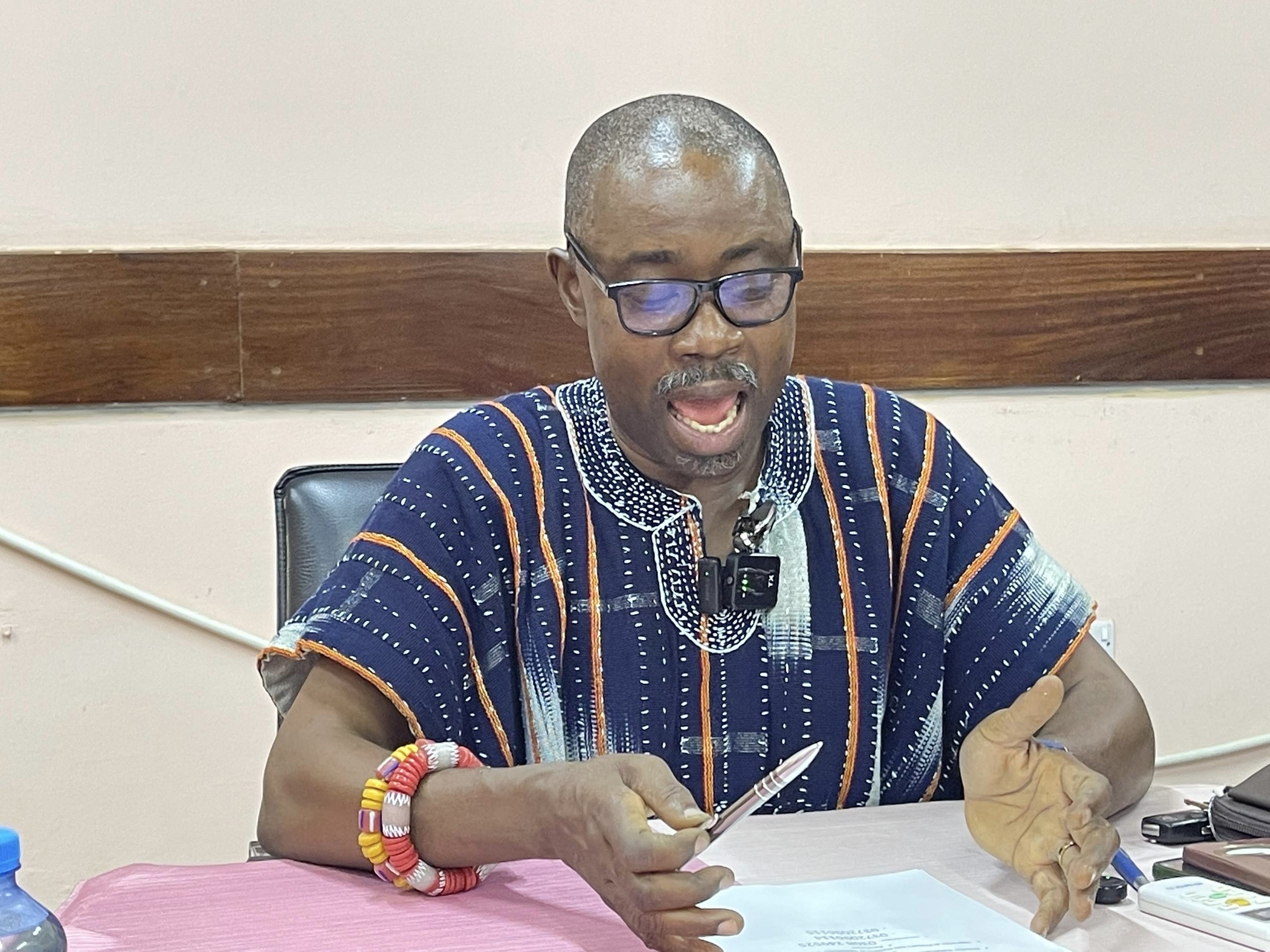
President of the Ghana Youth Federation, Sherif Ghale, says Ghana has developed some of the most comprehensive youth policies in its history, but weak implementation and persistent funding challenges continue to undermine their impact.
Speaking on Channel 247’s Newzroom live with host Awuraabena Boateng, Mr Ghale noted that successive governments, both the New Patriotic Party (NPP) and the National Democratic Congress (NDC), have rolled out several youth-focused initiatives aimed at employment creation, skills development and entrepreneurship.
According to him, programmes such as the Youth Employment Agency (YEA), the National Apprenticeship Programme, One Million Coders, and youth entrepreneurship support schemes demonstrate that policy thinking around youth development has significantly improved over the years.
“For the first time in Ghana’s history, we even have a standalone ministry dedicated to youth development. That alone shows progress,” Mr Ghale said, adding that previous arrangements often merged youth affairs with education or sports, limiting focus and effectiveness.
However, he stressed that the major challenge lies in execution, describing funding shortfalls as an “age-long problem” that cuts across political administrations. He explained that although large budget figures are often announced in Parliament, the funds released to implementing agencies fall far short of what is required.
Mr Ghale cited the National Apprenticeship Programme as an example, revealing that the initiative was expected to receive about GH¢300 million last year to train 100,000 young people, but did not receive the full allocation. He added that the programme’s budget was further reduced this year, affecting its ability to scale.
“When you announce big budgets and then underfund the programmes, it creates false hope for young people,” he said, warning that repeated disappointments could erode trust in government policies.
He also raised concerns about poor coordination among youth institutions, arguing that overlapping mandates between agencies such as the Youth Employment Agency and the National Youth Authority weaken delivery and dilute impact.
Mr Ghale called for a renewed focus on the National Youth Policy 2023, describing it as a comprehensive framework that can guide youth development if properly utilised. He questioned how many policymakers actively rely on the document when designing and implementing youth programmes.
On youth engagement, the Ghana Youth Federation president criticised what he described as “late-stage consultations,” where young people are invited only after policies have already been finalised. He said such engagements are often symbolic and do not allow youth leaders to meaningfully shape outcomes.
He further urged government to rethink its approach by partnering more deliberately with development partners and financial institutions, suggesting that the state should act as a guarantor to help young entrepreneurs access credit rather than trying to implement everything directly.
Mr Ghale warned that failing to prioritise youth development, especially in a country where about 73 per cent of the population is young, poses serious risks to national stability and future growth.
“If young people are consistently left without meaningful opportunities, then we must ask ourselves what kind of nation we are building,” he cautioned.
 Rafiq Adam