
 channel247 online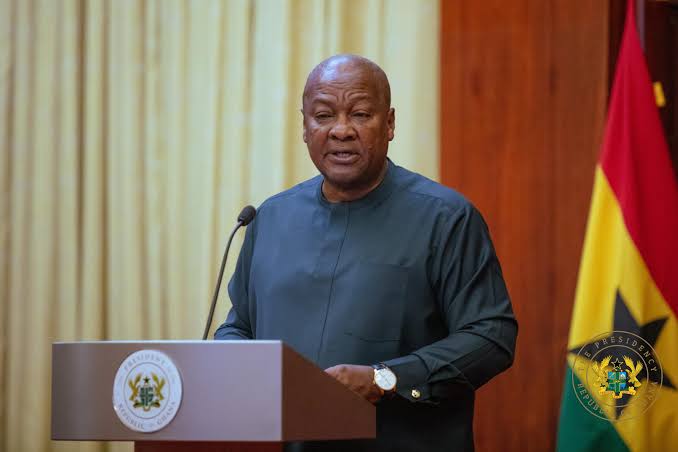
President John Dramani Mahama’s return to power in January 2025 has ushered in a major reset of Ghana’s foreign policy, shaped by economic fragility at home, growing insecurity in West Africa, and rising global power competition.
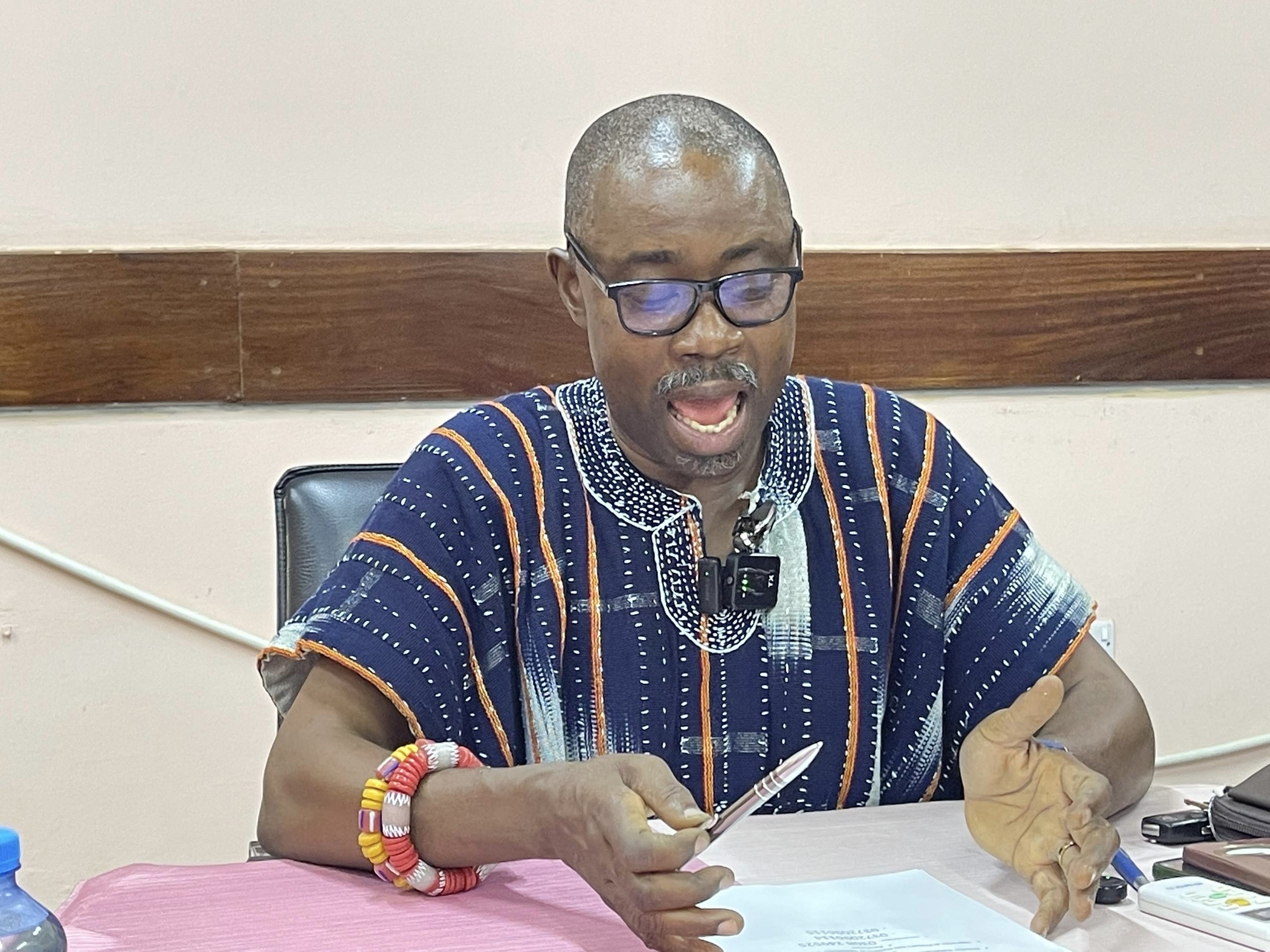
In an analysis titled “Resetting Ghana’s foreign policy: One year in review,” lecturer and international relations analyst Dr Ishmael Kwabla Hlovor of the University of Education, Winneba, argues that Mahama assumed office at a time when Ghana was emerging from one of its most severe economic crises, worsened by the COVID-19 pandemic and global shocks linked to the Russia–Ukraine war.
He notes that a fragile recovery and an unprecedented debt restructuring programme underscored the need for a more pragmatic diplomatic approach, particularly as terrorism expanded southwards from the Sahel and the exit of Mali, Burkina Faso, and Niger weakened ECOWAS’ cohesion and security framework.
According to Dr Hlovor, Ghana has responded by shifting from a hardline ECOWAS posture to an engagement-focused strategy, repositioning itself as a mediator between ECOWAS and the Alliance of Sahel States, especially in relations with neighbouring Burkina Faso.
The analysis identifies President Mahama’s appointment of Samuel Okudzeto Ablakwa as Foreign Affairs Minister as a key signal of the policy reset, describing the choice as a calculated attempt to blend Nkrumahist Pan-African ideals with contemporary diplomatic realism.
One year into the administration, Dr Hlovor observes that Ghana has recorded notable diplomatic gains, including renewed humanitarian diplomacy, stronger advocacy for reparations, and initiatives focused on health sovereignty and African agency.
He further points to a pragmatic management of relations with major global powers. Early tensions with the United States, which led to visa restrictions and tariffs, were eased through a controversial deportation arrangement, while improved engagement with China resulted in grant support for infrastructure projects.
Ghana’s posture on the Russia–Ukraine conflict has also evolved, shifting from open condemnation to strategic non-alignment, a move the analyst describes as prioritising national interest over ideological signalling.
Domestically, the analysis credits reforms at the Foreign Ministry for improving service delivery, citing reduced passport processing times, the introduction of performance benchmarks for diplomats, and efforts to confront alleged financial impropriety within diplomatic missions.
Despite these developments, Dr Hlovor cautions that challenges remain, including sustaining Ghana’s mediator role, balancing neutrality with ECOWAS commitments, and better integrating culture, tourism, and the creative industries into foreign policy.
Overall, the analyst concludes that Mahama’s first year back in office reflects a pragmatic and forward-looking foreign policy reset, even as significant regional and global uncertainties persist