
 channel247 online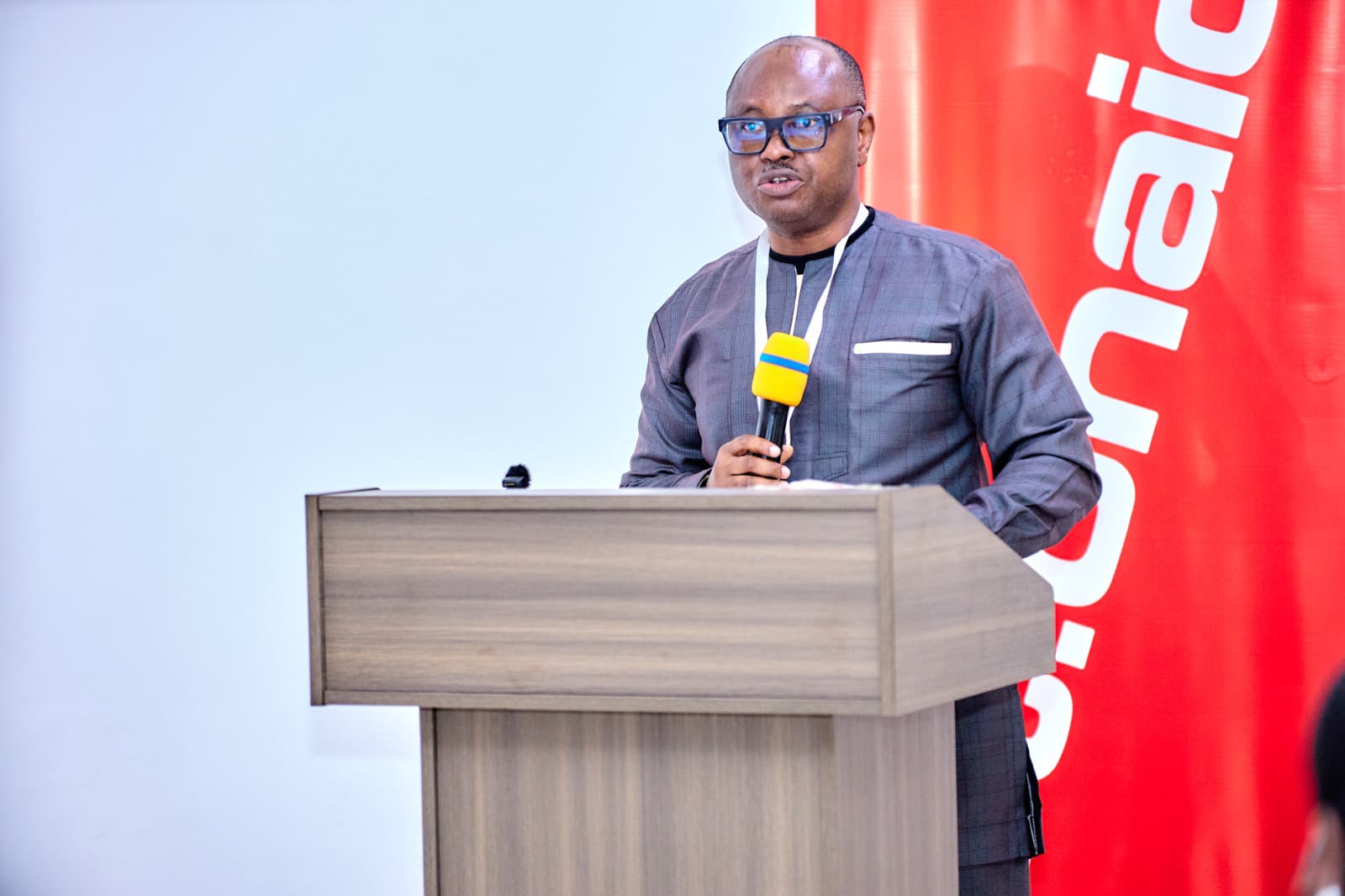
ActionAid Ghana has called on government, civil society, and development partners to take urgent steps towards green energy transition as the country grapples with climate change, rising debt, and a struggling development financing system.
This call was made during a National Civil Society Government Dialogue on Development Financing and Food System Reform held on Friday, June 20, 2025, at the Tomreik Hotel in Accra. The event brought together policymakers, climate and energy experts, civil society organisations, and donors under the theme, “Reviewing Development Financing for People and Planet.”
Speakers highlighted the growing impact of climate change on Ghana, including increased flooding, declining agricultural productivity, and infrastructure damage. According to Denis Gyeyir of the Natural Resource Governance Institute (NRGI), climate-related challenges are already costing the country billions of cedis.
He noted that approximately 45,000 people are displaced by floods annually, while the transport sector faces potential losses of \$3.9 billion. Poor households could experience up to 40% income loss by 2050 if current trends continue. Ghana also faces a projected climate finance gap of over \$15 billion by 2030.
Dr. Robert Bright Mawuko Sogbadji, Deputy Director for Power (Alternative Energy) at the Ministry of Energy, who made a presentation on ongoing government efforts to promote green energy, disclosed that there is an ongoing development of green hydrogen in partnership with ECOWAS as well as the removal of import duties on electric vehicles, and the construction of mini solar grids.
He also announced plans to establish a Renewable Energy Authority and create a Renewable Energy and Green Transition Fund.
He acknowledged challenges such as limited battery storage and global resistance from fossil fuel industries but emphasized the need for Ghana to lead its own energy transition.
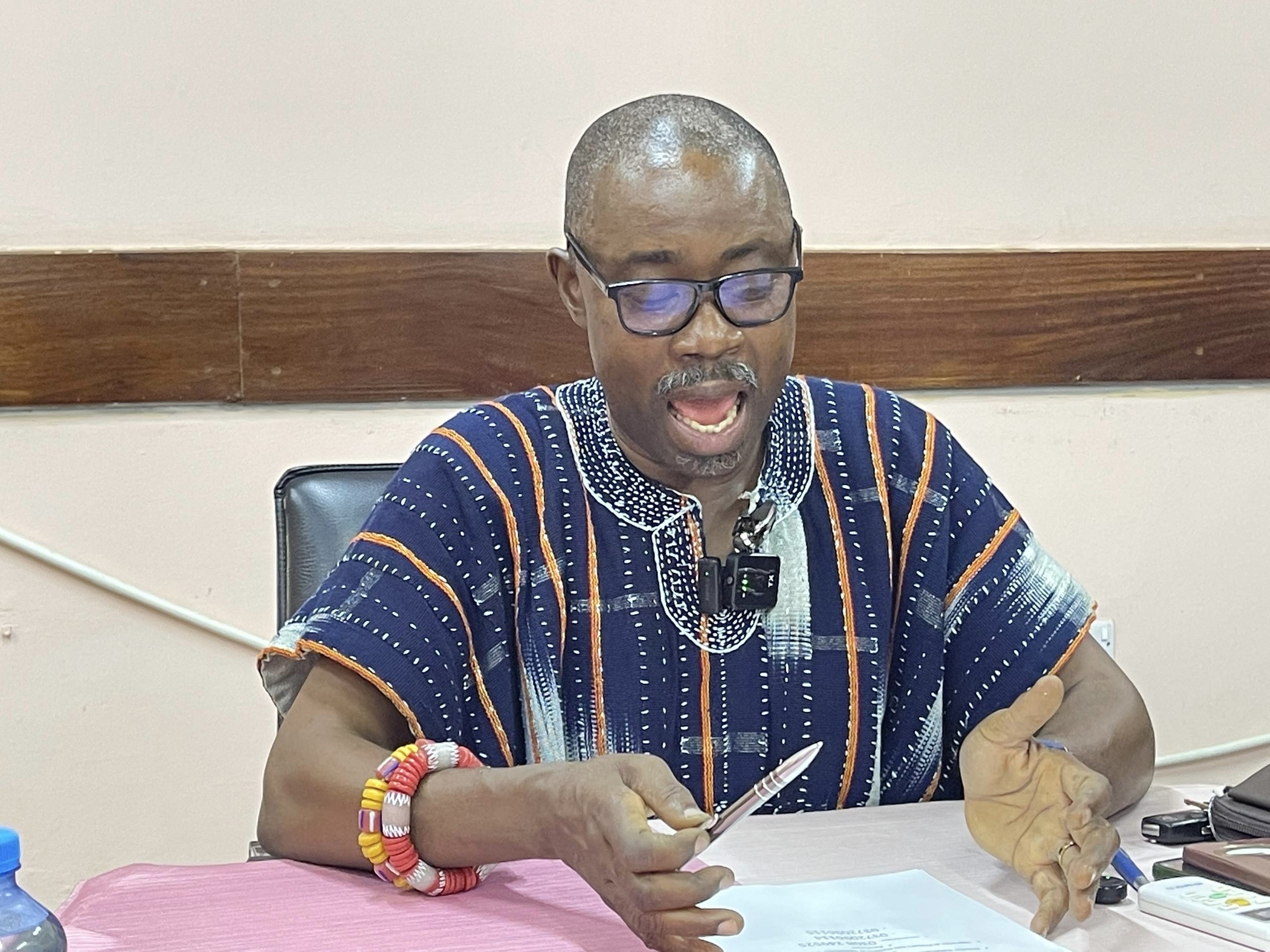
ActionAid Ghana’s Country Director, John Nkaw, urged a review of Ghana’s development financing model. He advocated for increased domestic resource mobilization, action against illicit financial flows, and investment in community-led, gender-just energy solutions.
Participants also discussed the role of agroecology in climate resilience. Wilberforce Laate of the Centre for Indigenous Knowledge and Organisational Development (CIKOD) described agroecology as a sustainable, debt-free approach to food production that supports local economies.
The dialogue concluded with a joint call for investments in clean energy infrastructure, green jobs for youth and women, integration of green budgeting into public planning, and improved access to global climate finance.
Participants agreed that addressing Ghana’s climate, energy, and development challenges requires people centered solutions that promote equity and sustainability.
Source:channel247online.com/Rafiq Nungor Adam

 Yaw Boagyan
 Rafiq Adam