
 channel247 online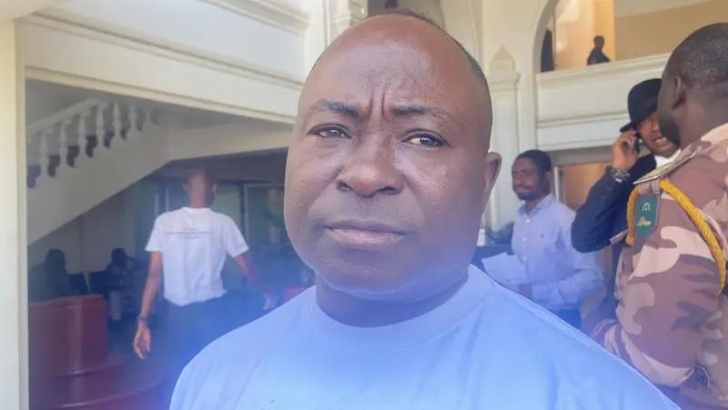
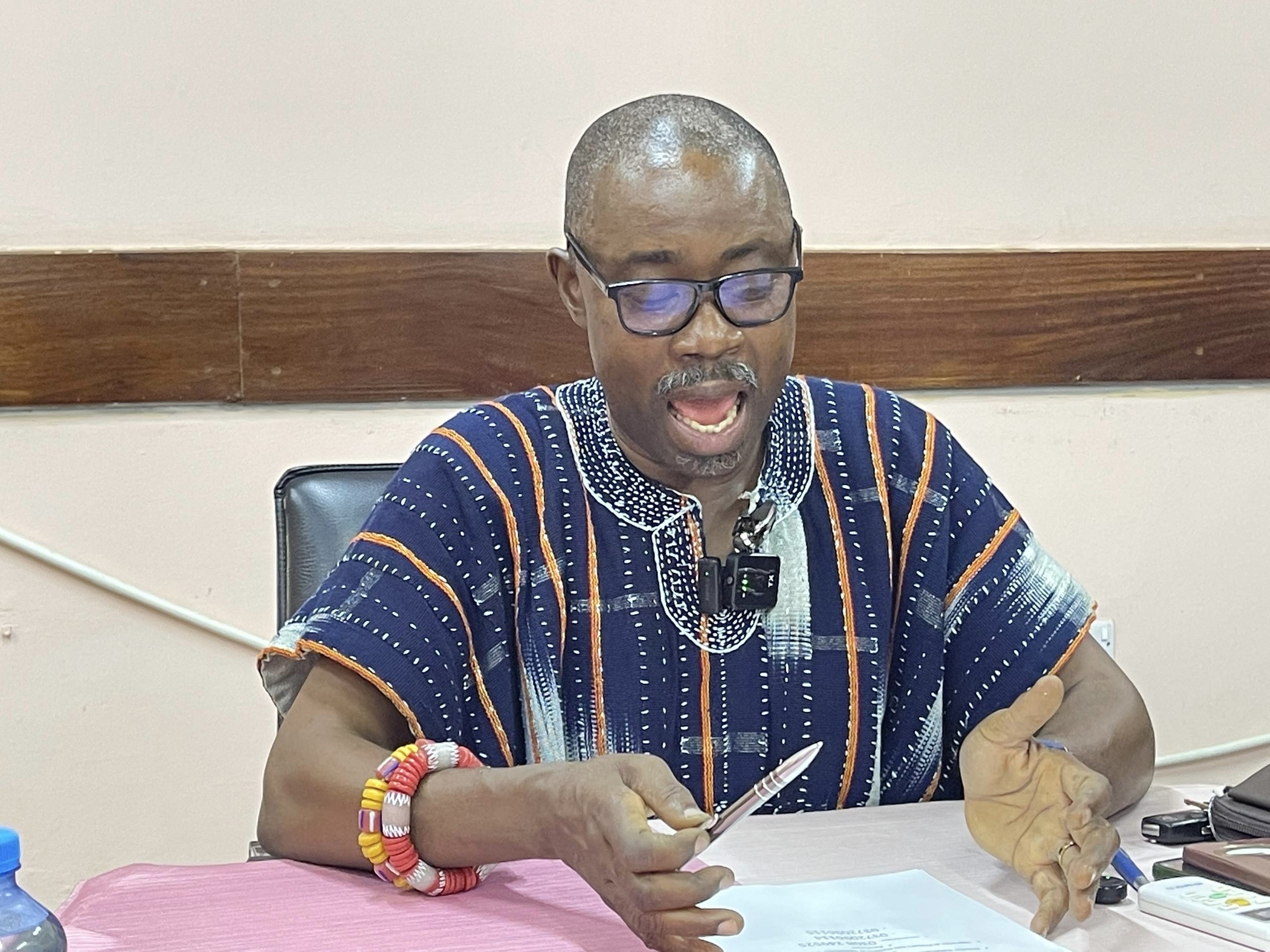
The Court of Appeal has acquitted and discharged Yaw Asante Agyekum who was sentenced to 35 years in prison in 2010 together with notorious armed robber Ataa Ayi who was jailed for 160 years.
Agyekum was sentenced to 35 years in prison in 2010 after being linked to the notorious armed robber, who received a 160-year sentence.
Originally taken into custody in 2002, Agyekum was convicted of conspiracy to commit murder, accused of working as a mechanic for Ataa Ayi’s criminal gang, which operated across Accra in the late 1990s and early 2000s.
Ataa Ayi and his crew were convicted of multiple counts of robbery. Agyekum however appealed the sentence with his lawyers arguing that the prosecution was not able to link their client to any of the crimes.
Upon appeal, the court of appeal agreed with lawyers of Agyekum who had no legal representation when he was convicted, and thus set aside the conviction.
The three-member panel of Justice Aboagye Tanoh, Justice Stephen Oppong, and Justice Janapare Bartels Kodwo noted that the prosecution failed to ‘give enough evidence to warrant conviction and sentence.’
Agyekum was arrested while in church in 2001, just a month after his wife had taken seed. He maintained throughout his trial and incarceration that his only link to Ataa Ayi was professional, through his work as a mechanic.
His conviction in 2002 came at the height of a national crackdown on violent crime, with Ataa Ayi — born Raymond Ayeetey — then leading a sophisticated robbery syndicate. The group was known for ambushing individuals after bank withdrawals and terrorizing neighborhoods across Accra and Tema. Ataa Ayi was captured in 2005 and sentenced to 160 years in prison with hard labor, cementing his infamy in Ghana’s criminal history.
Agyekum’s release is reigniting calls from human rights groups for a broader review of criminal cases from that era. Legal analysts say his case exposes flaws in the justice system, especially regarding the reliance on weak or circumstantial evidence in high-pressure prosecutions.
His acquittal also raises questions about reparations for wrongful imprisonment, with growing calls for compensation and support for reintegration after over two decades behind bars.
For now, Yaw Asante Agyekum says he is grateful to regain his freedom and hopes to rebuild the life that was abruptly taken from him more than two decades ago.
Source:channel247online.com