
 channel247 online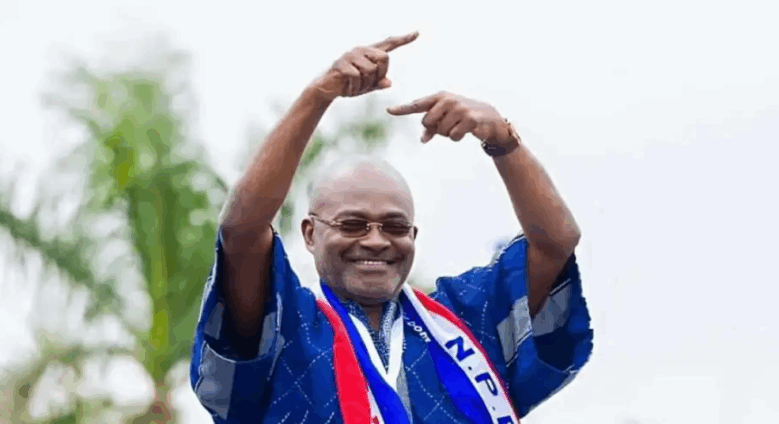
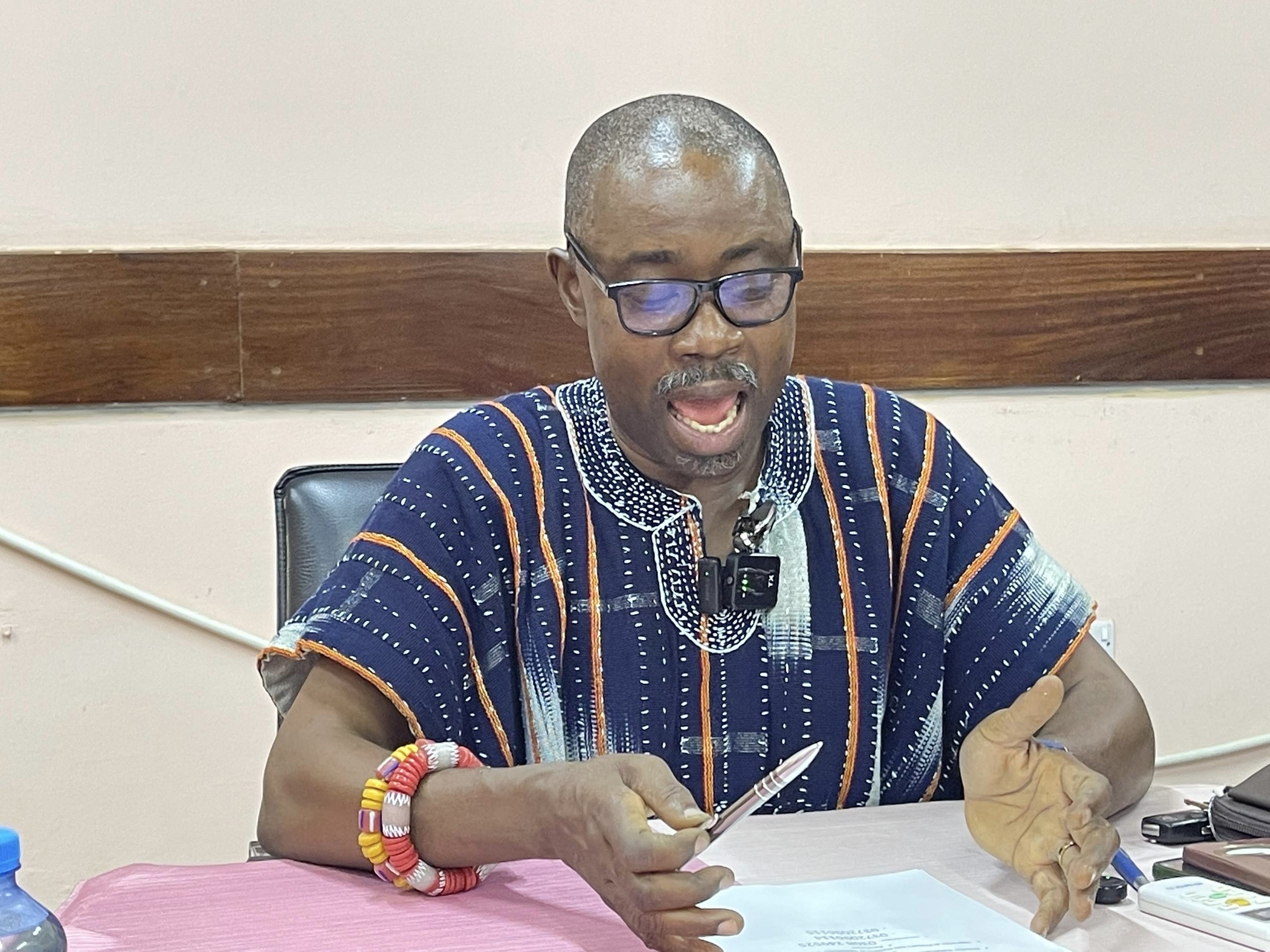
Dr. Evans Duah, an independent researcher, chartered accountant, lecturer and financial economist, has unveiled findings from a comprehensive three-wave nationwide delegate preference study on the New Patriotic Party (NPP) presidential primaries, placing Kennedy Ohene Agyapong (KOA) as the party’s national frontrunner.
The study, conducted between August 2025 and January 9, 2026, tracked how delegate preferences evolved following the NPP’s loss in the 2024 general election, using the 2023 presidential primaries as a benchmark. It covered all 16 administrative regions and 276 constituencies, sampling 40,988 delegates, of which 31,556 interviews were successfully completed and validated.
According to the report, the research employed a rigorous multi-wave methodology designed to capture gradual post-election reassessment rather than single-moment snapshots. To ensure transparency, results were analysed under two scenarios: a Worst-Case scenario that conservatively treats undecided and undisclosed responses, and a Best-Case scenario that proportionally allocates these responses across candidates.
Under the Best-Case scenario in the final wave, Kennedy Ohene Agyapong recorded 52.59 per cent of delegate support, followed by Dr. Mahamudu Bawumia with 36.24 per cent. Dr. Bryan Acheampong placed third with 8.60 per cent, while Dr. Yaw Osei Adutwum and Kwabena Agyei Agyapong garnered 2.05 per cent and 0.52 per cent respectively.
The findings indicate that Kennedy Agyapong achieved the largest positive net movement across the three survey waves, steadily increasing his share through broad-based gains in delegate-dense regions such as Ashanti, Greater Accra, Eastern, Central, Western and Volta. The study attributes this growth to early post-election reassessment, consistent messaging, and sustained ground engagement.
In contrast, Dr. Bawumia experienced a net decline nationally, driven by reduced support outside his core northern strongholds, despite maintaining dominance in those regions. The report notes that regional geography, rather than late-stage persuasion, constrained his national recovery.
Dr. Bryan Acheampong’s support was described as shaping margins rather than challenging the lead, reflecting selective consolidation within organised networks. Meanwhile, Dr. Adutwum and Kwabena Agyei Agyapong maintained low, localised support with no evidence of national scaling.
Dr. Duah emphasised that the study does not predict outcomes or model turnout, but rather documents the structural dynamics within which the NPP primaries will be decided. “This study documents a transition from fluid post-election reassessment to structured consolidation, grounded in verified data and transparent assumptions,” he stated.

 Emmanuel Mensah