
 channel247online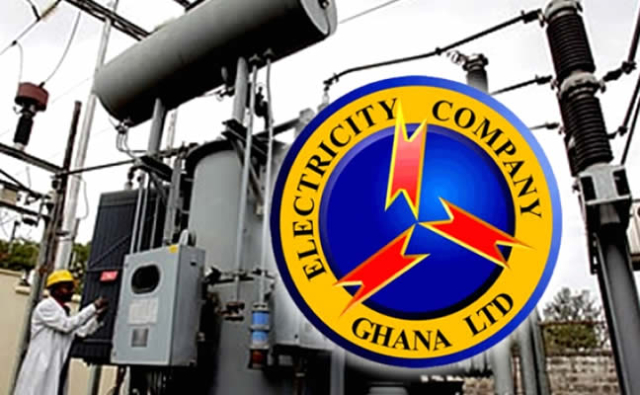
The Africa Sustainable Energy Centre (ASEC) has conducted a critical review of Ghana’s energy sector in light of the 2025 Budget presented by Finance Minister Dr. Cassiel Ato Forson.
The findings highlight alarming financial shortfalls, crippling debts, and structural inefficiencies that threaten the country’s energy stability and economic growth.
Escalating Debt and Financial Shortfalls
Ghana’s energy sector is under severe financial strain, with government spending on energy ballooning to GH¢20.8 billion in 2024. Despite efforts to stabilize the sector, the financing gap for 2025 is projected at GH¢35 billion, with an estimated total shortfall of GH¢140 billion from 2023 to 2026. This unsustainable trajectory is diverting critical funds away from infrastructure and social services.
The financial distress extends to Independent Power Producers (IPPs), to whom Ghana owes US$1.73 billion. The lack of a clear payment plan raises concerns over electricity reliability, as IPPs may be forced to cut back on power generation, exacerbating frequent outages and disrupting businesses.
Meanwhile, the Electricity Company of Ghana (ECG) faces its financial crisis, with debts reaching GH¢68 billion. Inefficiencies in revenue collection, poor metering systems, and electricity theft have worsened ECG’s liquidity issues, undermining efforts to sustain power supply.
Government Interventions for 2025
The 2025 Budget outlines several measures to address the crisis, including renegotiating IPP contracts to reduce capacity charges, reviewing the Energy Sector Levies Act (ESLA) to consolidate key levies, and implementing tariff adjustments to reflect inflation and operational costs.
To cut fuel costs, the government aims to increase the natural gas supply from 60 mmsc per day to 100 mmsc per day, reducing reliance on expensive liquid fuels. Additionally, smart metering systems and enhanced revenue collection strategies will be deployed to curb energy losses and improve financial performance.
ASEC’s Critical Review and Recommendations
While the budget introduces necessary interventions, ASEC warns that over-reliance on tariff hikes could place undue financial pressure on consumers, affecting industrial competitiveness and household affordability. Instead, the government must aggressively pursue alternative revenue sources, including Public-Private Partnerships (PPPs) and private-sector investments.
Debt restructuring remains a crucial priority. The think tank urges the government to establish a structured repayment plan for IPPs and work with financial institutions to ease fiscal pressure. Furthermore, ECG’s inefficiencies necessitate structural reforms, including potential privatization or corporate restructuring to enhance operational efficiency.
Despite recognizing the importance of renewable energy, the budget lacks a concrete implementation roadmap. ASEC recommends setting clear renewable energy targets such as achieving 30% electricity generation from renewables by 2035 while investing in large-scale solar, wind, and hydropower projects.
The Path Forward
ASEC underscores that addressing Ghana’s energy crisis requires a multi-faceted approach, combining financial prudence, governance reforms, and strategic investment in renewables. Without swift and decisive action, the nation risks prolonged power instability, economic setbacks, and hindered industrialization.
“The government must act now to secure Ghana’s energy future. Tariff adjustments alone cannot solve the crisis we need structural reforms, debt restructuring, and sustainable energy investments,” ASEC stated in its review.
The coming months will be critical in determining whether Ghana can navigate its energy challenges and build a resilient, financially stable power sector for future generations.
Writer: Executive Director of the Africa Sustainable Energy Centre (ASEC), Ing. Justice Ohene-Akoto
source: citinewsroom.com

 Yaw Boagyan
 Rafiq Adam