
 channel247 online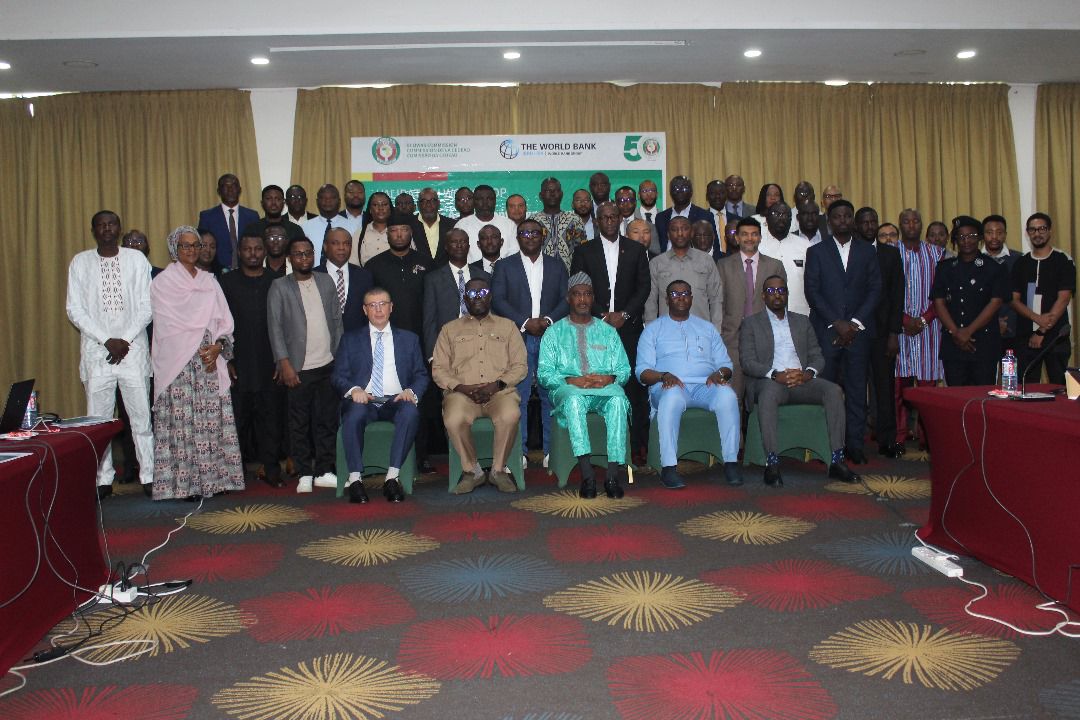
The Economic Community of West African States (ECOWAS) is set to assign unique identification numbers to all citizens and non-citizens within the sub-region as part of efforts to strengthen regional security and streamline identity management. This initiative is being championed through the West Africa Unique Identification for Regional Integration and Inclusion (WURI) program, coordinated by Albert Siaw-Boateng at the ECOWAS Commission.
As part of the implementation process, Ghana has already rolled out the ECOWAS biometric card commonly known as the Ghana Card—which was introduced following a resolution adopted by the Authority of Heads of State in 2014. The card also serves as a travel document within ECOWAS and is linked to essential services such as social security, banking, and driver’s license registration.
The WURI initiative, funded by the World Bank, commenced in 2018 with a focus on enabling digital identification systems across the region. The program aims to ensure that each person in the ECOWAS zone, regardless of nationality or legal status, is assigned a unique identification number.
A consultant engaged under the program has completed a study on stakeholder assessment and the interoperability of identification systems. The findings are currently being validated at a four-day meeting in Accra, where member states are reviewing and providing feedback on the draft report.
The program’s interoperability framework is designed to allow citizens to access social services even when they cross borders. For instance, individuals moving between Ghana and Togo should be able to access public services seamlessly using their unique ID.
Initially, six countries—Benin, Togo, Côte d’Ivoire, Guinea, Niger, and Burkina Faso—signed on to participate in the project. However, Guinea has since opted out.
Following the validation process, the member states will adopt a roadmap attached to the draft report. This roadmap will serve as the blueprint for full implementation across the region.
The project targets full implementation between 2027 and 2028, considering the time required to secure the necessary technological infrastructure for execution.
Source:channel247online.com/Awuraabena Boateng

 Yaw Boagyan
 Rafiq Adam