
 channel247 online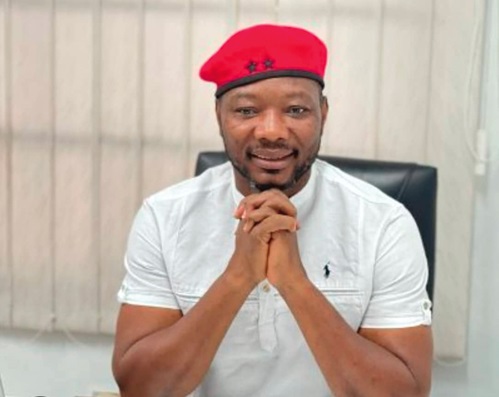
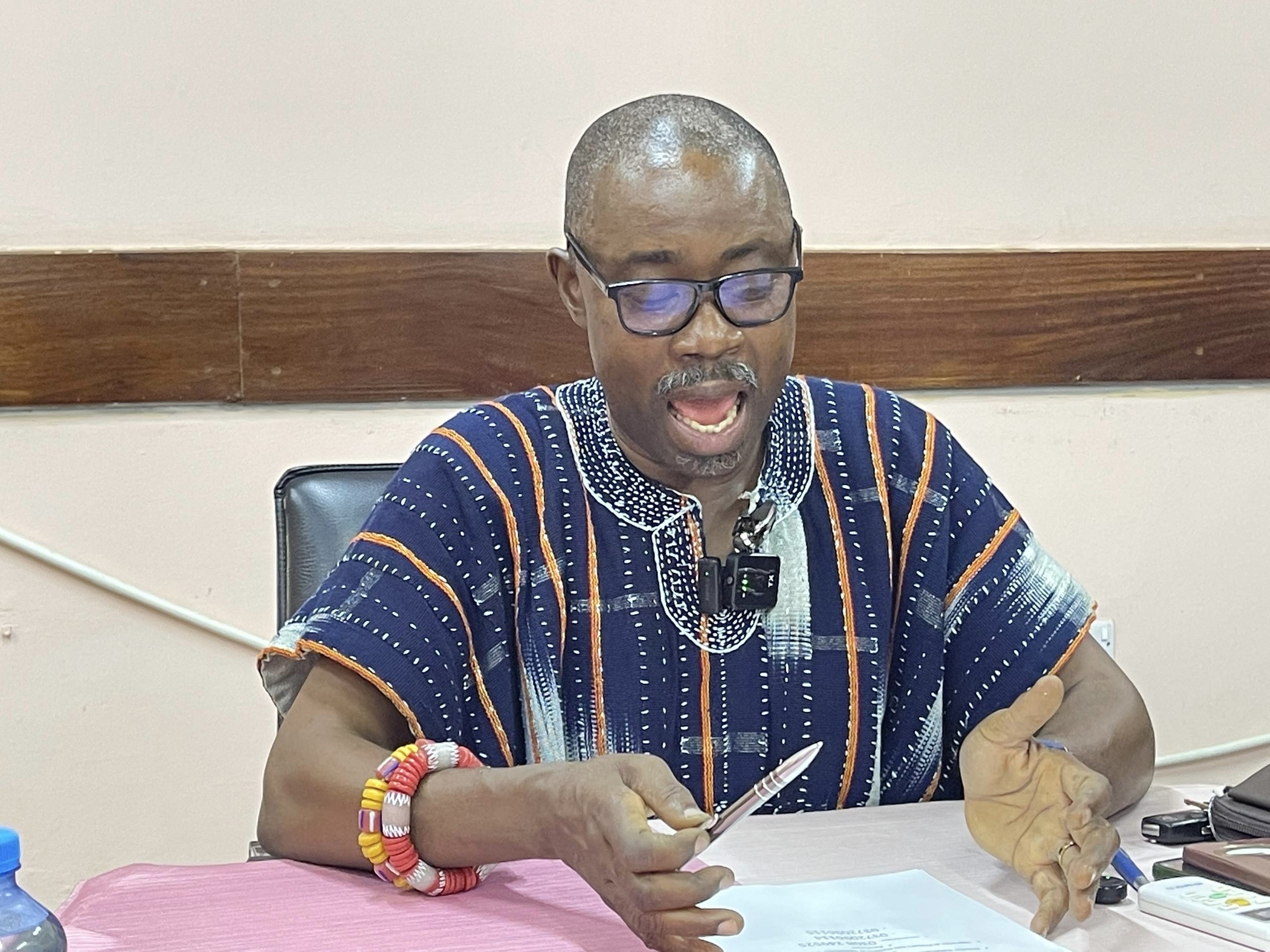
Convenor of Arise Ghana, Bernard Mornah, has criticised the work of the Constitutional Review Committee, describing it as a missed opportunity to strengthen transparency and accountability in public office.
Speaking in an interview on Channel 247’s The Focus with host Musah Lansah, Mornah said he was disappointed that the committee failed to push for a public asset declaration regime for public officials.
According to him, Ghana’s current asset declaration system, which allows public officers to submit their assets in sealed envelopes to the Auditor-General, does not amount to genuine disclosure.
“You write what you want, seal it in an envelope and submit it. To who? The oracles or the shrines? That is not a declaration,” Mornah remarked.
He argued that asset declarations should be made public and published to allow citizens to scrutinise the assets of public officials before they assume office and after they exit.
Mornah cited examples from Senegal and Nigeria, noting that Senegal’s president publicly declared his assets, including bank accounts and properties, while former Nigerian president Muhammadu Buhari also made his asset declaration public upon assuming office.
He stressed that public disclosure would empower citizens to verify declared assets and question inconsistencies, thereby strengthening the fight against corruption.
“If people in your community know the assets you own, they can challenge what you have declared or point out what you left out,” he explained.
Mornah further suggested that public officials should be restricted from leaving the country for at least a year after leaving office, arguing that such measures would help ensure accountability.
He warned that without comprehensive reforms, Ghana risks enabling corrupt officials to exploit loopholes in the law and evade scrutiny by relocating abroad.
 Emmanuel Mensah