
 Yaw Boagyan
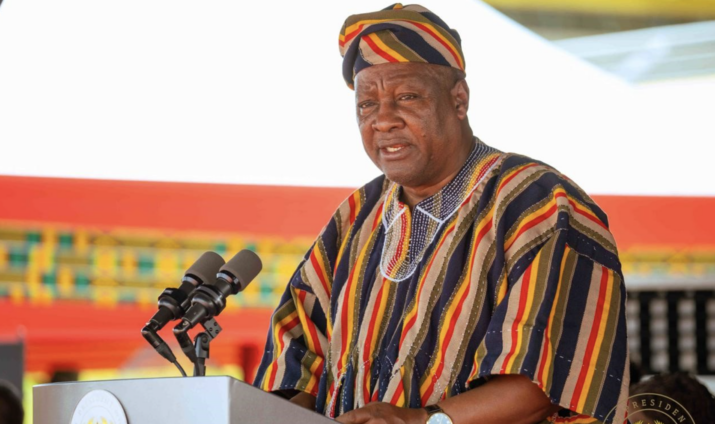
Rastafarian advocates in Ghana’s Central Region have renewed calls for the legalization of marijuana, urging President John Dramani Mahama to spearhead reforms they say could boost the economy and create jobs.
The appeal was made during World International Weed Day celebrations at Mankessim-Baifikrom in the Mfantsiman Municipality, where leaders of the Rastafarian Council outlined what they described as the economic and social benefits of legalizing the substance.
Central Regional President of the Council, Jah Eddy Bongo, called on government and security agencies to end what he described as persistent harassment of individuals suspected of possessing marijuana. He also urged authorities to review and repeal laws that criminalize its use and cultivation.
“We are not enemies to the Ghanaian economy. Every economy needs weed to grow,” Bongo said, arguing that a regulated marijuana industry could open up employment opportunities, particularly for the youth engaged in agriculture.
According to him, frequent police stops and searches targeting Rastafarians and suspected users, especially during travel, have become a major concern. He stressed the need for what he termed “space and freedom of expression” for Rastafarians, alongside the release of persons currently in custody for marijuana-related offences.
The group maintains that legalization, coupled with proper regulation, could transform marijuana into a viable economic resource, citing examples from countries that have adopted similar policies.
Central Regional Organizer Jah Emma also addressed concerns about substance abuse, cautioning young people against the use of hard and adulterated drugs. He warned that substances such as tramadol, cocaine and other synthetic variants pose greater risks to mental health and public safety.
Emma further challenged long-standing perceptions linking marijuana use to mental illness, urging parents and the public to reconsider such beliefs. He emphasized the need for education and responsible use, rather than outright criminalization.
Residents and sympathizers at the event echoed the Council’s demands, calling for an end to police harassment, legalization to support cultivation, and policy reforms that would allow the industry to contribute meaningfully to Ghana’s economy.
The Rastafarian Council says it will continue to engage stakeholders and advocate for legislative changes to ease restrictions and promote what it describes as the responsible use of marijuana in Ghana.

 Emmanuel Mensah