
 channel247 online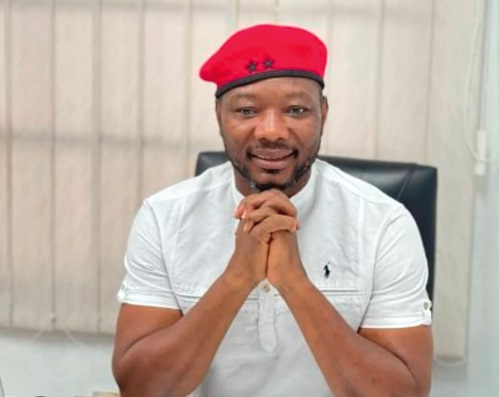
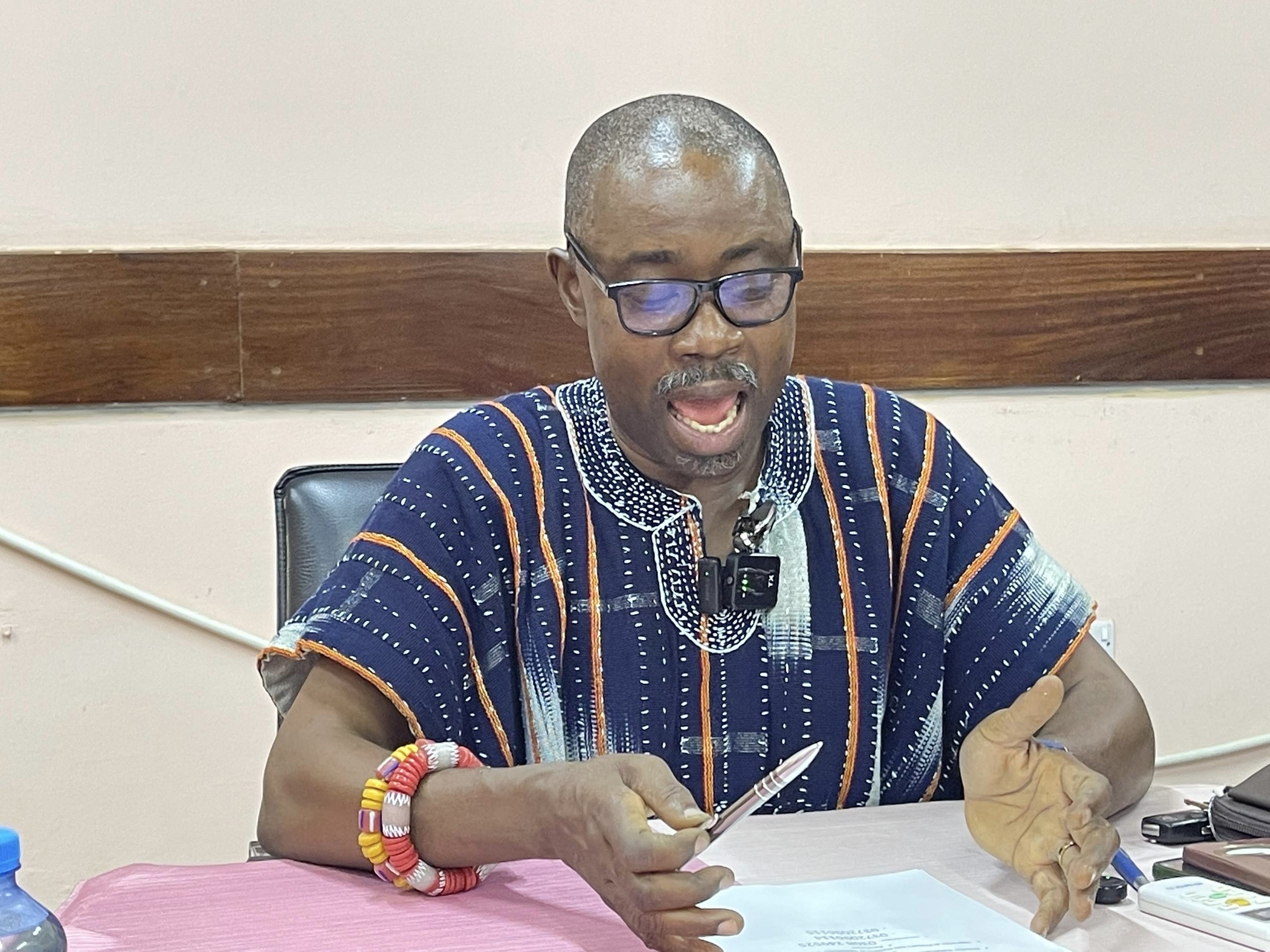
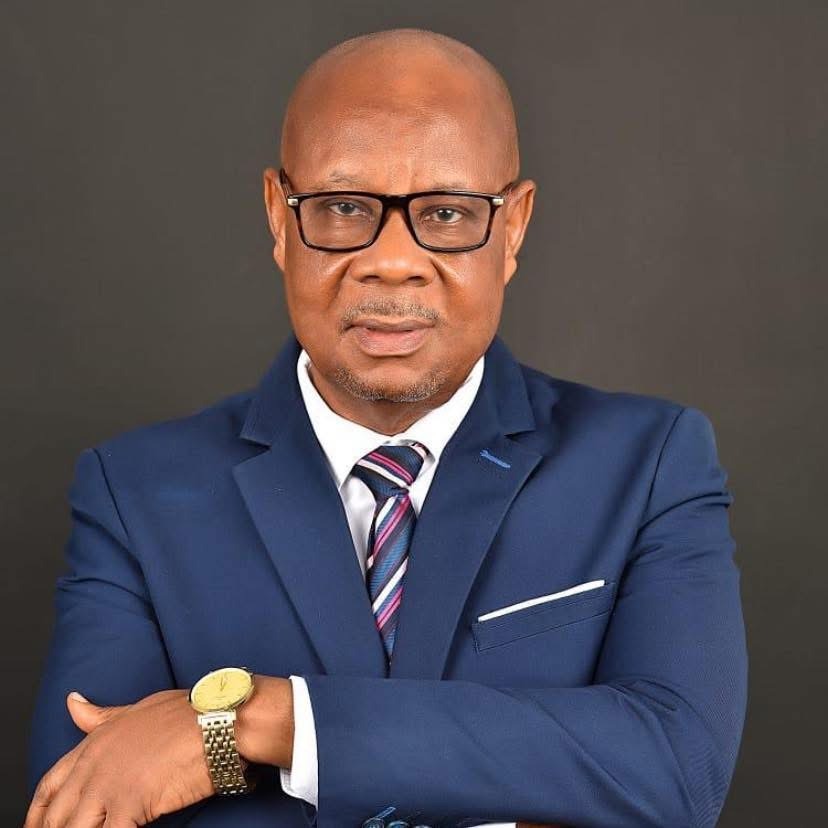
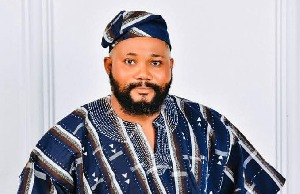
Bernard Mensah, Flagbearer of the People’s National Convention (PNC), has cautioned that President John Mahama’s first year in office risks sliding into complacency if decisive action is not taken on key national challenges, particularly corruption, youth unemployment, and regional inequality.
Writing on his Facebook page, Mr. Mornah acknowledged that the Mahama administration has benefited from public goodwill by openly admitting Ghana’s severe fiscal distress and initiating a cautious economic reset. He noted that measures such as fiscal consolidation and expenditure discipline have helped stabilize expectations, but warned that patience among Ghanaians is not limitless.
According to him, rising utility tariffs and persistently high youth unemployment have become daily hardships for ordinary citizens rather than abstract policy concerns. He stressed that youth unemployment, if left unaddressed, poses not only an economic risk but also a serious national security threat.
On governance and constitutional reform, Mr. Mornah said the president has struck the right tone by engaging stakeholders and reopening national conversations on accountability and institutional renewal. However, he argued that rhetoric without concrete action risks becoming “performative consensus,” especially in the fight against corruption.
He expressed concern that Operation Recover All Loot, a flagship anti-corruption promise, is increasingly appearing like a hollow slogan, insisting that Ghanaians voted for decisive action, not caution, on corruption-related matters.
Touching on infrastructure development, Mr. Mornah criticised what he described as a skewed allocation of road contracts, with over 70 percent reportedly concentrated in the Greater Accra and Eastern Regions. He said such an imbalance entrenches regional inequality and undermines national cohesion.
On foreign policy, Mr. Mornah praised Ghana’s re-engagement with development partners and multilateral institutions but strongly criticised the country’s reported alignment with Morocco on the Western Sahara issue, describing it as a betrayal of Pan-African principles and Ghana’s historical legacy.
He further called for Ghana to reclaim strategic control over its extractive resources, arguing that no country can achieve sustainable development by surrendering control of its wealth to foreign interests.
Mr. Mornah concluded that history would judge President Mahama not by intentions or diplomacy, but by the courage to confront entrenched interests, create jobs, ensure balanced development, and improve the living conditions of ordinary Ghanaians.
 Emmanuel Mensah
 Yaw Boagyan